
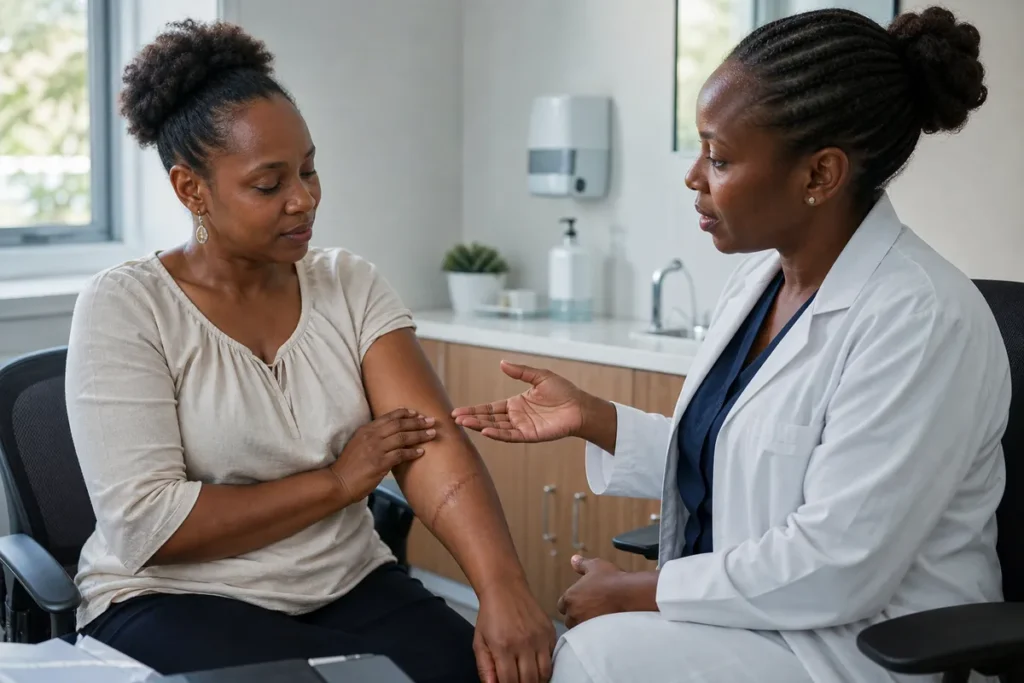
Scar revision surgery in Kenya: Your questions answered with honest guidance
Scars tell a story, but for many people, they can cause distress or limit their confidence. Scar revision surgery in Kenya is an option for those whose scars are uncomfortable, unsightly, or restricting in any way.
At AJ Plastic Surgery Centre, we recognise that seeking advice on cosmetic or reconstructive scar treatment is a personal decision. Our goal is to provide you with clear answers, explain your real options, and support you at every stage of your journey.
Understanding scar revision surgery in Kenya
Scar revision surgery in Kenya refers to specialised procedures designed to improve the appearance of scars or make them less noticeable. These procedures can involve surgical techniques, minimally invasive treatments, or a combination, depending on the scar’s type, age, and your personal goals.
Scarring can occur for many reasons: injury, surgery, burns, acne, or medical conditions. Some scars may be flat and pale; others may be raised (hypertrophic), thickened, or even sunken. For certain people, a scar can stretch, itch, become painful, or restrict movement, especially if it crosses a joint or is in a sensitive area like the face.
The primary aim of scar revision surgery in Kenya is to create a scar that is less noticeable, blends more naturally with your surrounding skin, and causes fewer functional problems. While it may not be possible to remove a scar completely, the right treatment can make remarkable improvements to its appearance and your comfort.
Who is a candidate for cosmetic scar treatment?
Not every scar requires intervention, but for those that do, timing, type, and location are important considerations. If you are troubled by a scar, whether from a previous injury, medical procedure, or burn, there may be options to help. Ideal candidates for scar revision surgery in Kenya typically include people who:
- Have mature scars (those present for at least 6–12 months), since early scars may still change naturally.
- Experience discomfort, itchiness, or restricted movement due to the scar.
- Are self-conscious or emotionally affected by the appearance of a scar, especially if it is highly visible.
- Wish to improve a stretched, thickened, irregular, or sunken scar that does not respond to non-surgical care.
The best outcomes are seen in individuals who are in generally good health and do not have medical conditions that would make surgery unsafe. Certain skin types may scar differently, so an individual assessment is always required. We offer careful planning and personal guidance in assessing whether you are suitable for scar revision surgery in Kenya.
Children with problematic scars, for instance after burns or injuries, may sometimes benefit from treatment, but this requires special consideration. We explain available options to parents and provide clear, age-appropriate care plans.
If your scar is very recent (younger than 6 months), early simple treatments such as silicone gels or pressure garments may be more effective and are typically considered before surgical options.
Scar removal in Nairobi: What to expect from consultation to recovery
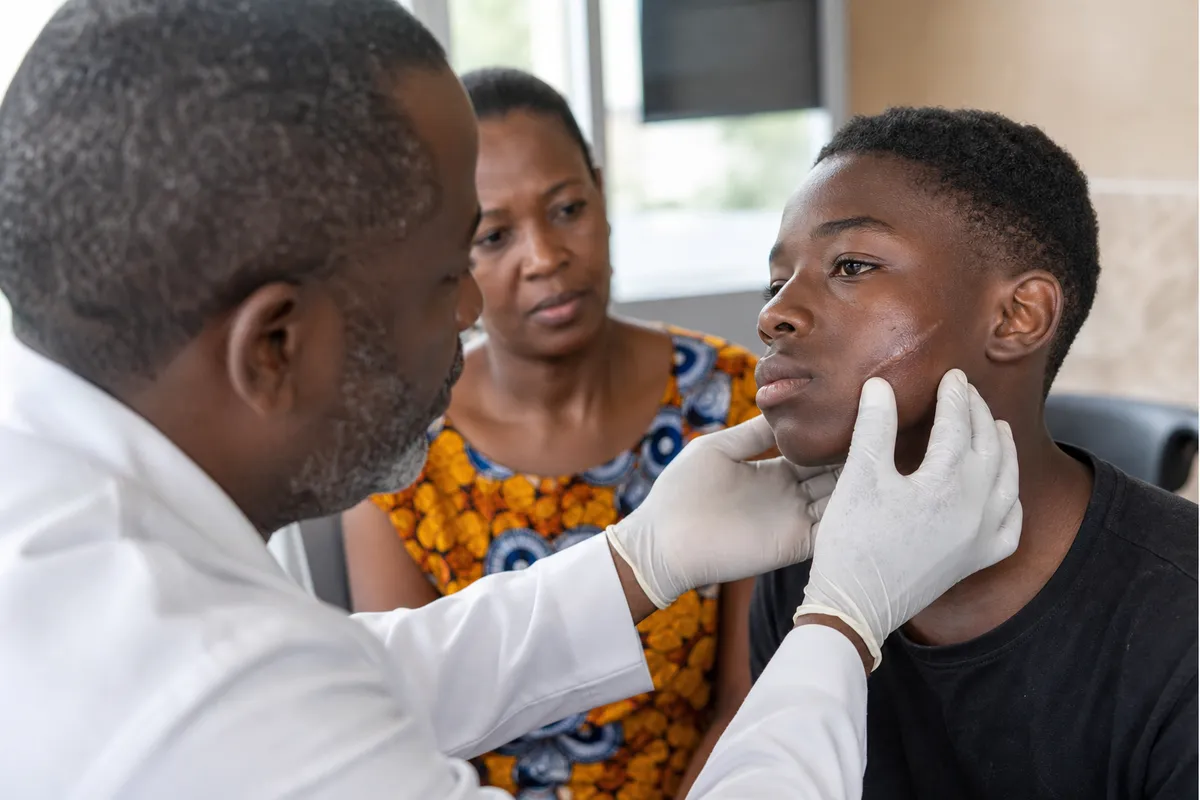
Pursuing scar revision surgery in Kenya can feel overwhelming if you are not sure what steps to take. We guide you through the process every step of the way.
Step 1: The initial consultation
Each journey begins with a confidential consultation with our experienced surgeons. During your visit, we discuss your medical history, assess the scar itself, and talk openly about your reasons for seeking treatment. Our surgeons examine all factors: how the scar formed, its location, texture, colour, and the surrounding skin.
Using your input and our clinical judgement, we help you understand whether scar revision surgery in Kenya is appropriate. We discuss all available treatment options, including both surgical and minimally invasive techniques. This conversation covers anticipated outcomes, possible risks, costs, and what to expect before, during, and after your procedure.
Step 2: Individualised treatment planning
Your safety, privacy, and realistic expectations come first. We never promise perfection; instead, our aim is honest guidance about what can be achieved. If you are a good candidate, we provide a detailed plan outlining the recommended approach, the expected results, and explanations of each step.
This step is particularly important for out-of-town patients, as we offer guidance on travel arrangements and aftercare in Nairobi when needed.
Step 3: The procedure
Surgical scar revision may be performed under local anaesthesia (numbing the area) or general anaesthesia, depending on the scar’s size and complexity. Some procedures can be completed in under an hour, while others may require more operating time, especially for extensive or deep scars.
Minimally invasive options may be offered for suitable cases, especially for smaller or less severe scars, or as part of a staged treatment plan.
Step 4: Recovery and follow-up
Careful aftercare is essential to maximise healing and achieve the best possible result. Following scar revision surgery in Kenya, you may need to rest, keep the area clean and protected, and attend follow-up appointments for wound care and monitoring.
We provide clear instructions for managing swelling, discomfort, and recognising any early warning signs of complications. Ongoing support is included for every patient, we believe in seeing you through your healing journey, not just the day of your procedure.
Our approach to scar removal treatments in Kenya integrates education and honest conversation, so you know exactly what to expect at every stage. For more information, you can read our dedicated page on scar removal treatments Kenya for other options available.
Surgical scar correction in Kenya: Procedures and techniques
There is no single solution for scar revision surgery in Kenya. The chosen method depends on the scar’s features and your specific needs. Our team offers a full range of proven techniques:
Excision and closure
For certain scars, the best option is to remove (excise) the old scar tissue, then carefully close the wound with precise stitching. This can change the scar’s direction, reduce its width, or improve its texture. For example, a long, stretched scar on the abdomen may look better after reorientation and a tension-free closure.
Z-plasty and local flap rearrangement
For scars causing tightness across a joint or skin crease, Z-plasty is a surgical technique that repositions the scar, breaking up a straight line and releasing tension. We sometimes use local skin flaps to move nearby healthy tissue into the area, improving both function and appearance.
Minimally invasive and non-surgical treatments
Some scars do not require excision. In mild or superficial cases, we may recommend minimally invasive options like microneedling or injectable treatments to blend the scar more naturally into the surrounding skin. We also offer non-surgical techniques for certain scars, such as laser therapy, although the specific modality is selected based on patient suitability and our careful assessment.
Staged reconstruction for complex scars
Extensive burns, traumatic injuries, or prior failed scar revisions may require staged procedures, using a combination of surgical and non-surgical treatments. Our surgeons are experienced in reconstructive approaches, which may include additional body contouring or skin grafting where necessary.
We will always explain which option is most suitable for your scar during your personalised consultation. If a procedure you are interested in is not recommended for your specific case, we discuss alternative options and any risks honestly.
Is scar revision surgery painful? Risks, recovery, and aftercare
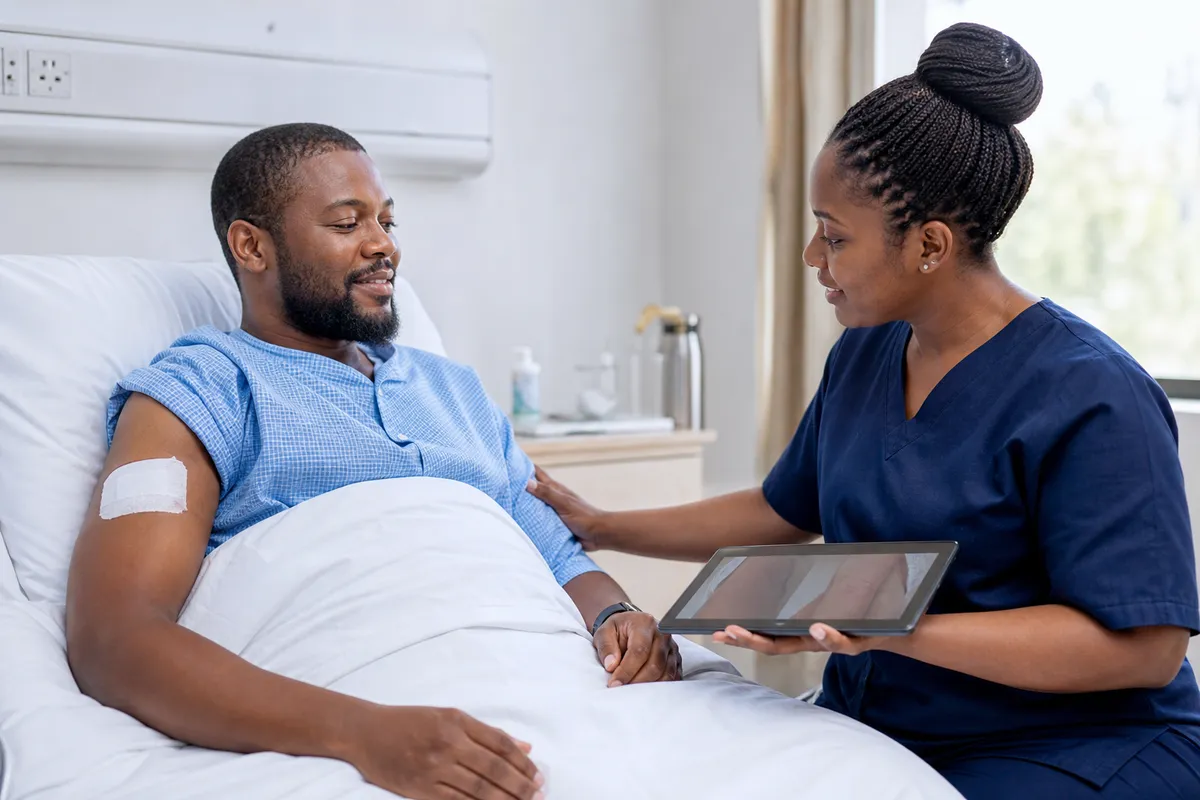
Before deciding on scar revision surgery in Kenya, it is important to understand what to expect regarding discomfort, risks, and the recovery process. We advise all our patients to prepare with realistic expectations.
Pain management
Most scar revision procedures cause only mild to moderate discomfort. Local anaesthesia is used frequently and is very effective. For larger or more complex scars, we may use general anaesthesia so you will be asleep during the procedure.
Afterwards, some swelling, tightness, and soreness are normal. Simple pain medications, along with rest and wound care, typically keep symptoms manageable. Our surgeons make every effort to minimise pain and offer advice on how to stay comfortable as you heal.
Recovery timeline
The initial healing of the wound usually takes about 7–14 days. During this period, you may need to avoid strenuous activities, bending, or lifting, especially if the scar is on the trunk or limbs.
The final result of scar revision surgery in Kenya can take several months to mature. Over 3–12 months, the new scar fades in colour and flattens. We will advise you on scar massage, sun protection, and the use of specialist creams to speed the recovery and optimise the outcome.
Risks and possible complications
As with all surgical procedures, risks include infection, bleeding, delayed wound healing, or the formation of a new prominent scar (for example, a keloid or hypertrophic scar). Our approach is to plan carefully and discuss these possibilities openly before any treatment begins.
We prioritise patient safety at every stage, focusing on clear explanations of risks and benefits. If you have a history of problematic scarring, please let us know during your assessment so we can tailor your approach.
Long-term results
Most patients experience significant improvement but must also accept that some scarring is permanent. The goal is improvement, not perfection. With diligent aftercare and follow-up, the results from scar revision surgery in Kenya can be very rewarding.
Frequently asked questions on scar revision surgery in Kenya
Q: How much does scar revision surgery in Kenya cost? The cost varies based on the size, location, and type of scar, as well as the selected procedure. After your individual assessment and consultation, we provide a detailed quote. Costs generally reflect the expertise of the surgical team, use of facilities, and the need for follow-up care. It is important to remember that safety, experience, and aftercare are as crucial as the cost itself.
Q: Who performs scar revision surgery in Kenya? Qualified and accredited plastic surgeons or specialists with experience in reconstructive and cosmetic procedures typically perform scar revision surgery. At our centre, board-certified surgeons assess and guide every patient. We recommend always confirming the credentials and experience of anyone you are considering for scar revision.
Q: Will my scar disappear completely after scar revision surgery in Kenya? While significant improvement in scar appearance is often possible, it is not generally realistic to expect complete disappearance. Scar revision aims to create a flatter, less visible, and less symptomatic scar. We will discuss expected outcomes clearly during your personalised consultation.
Q: How long do the results of scar revision surgery in Kenya last? The improvements from scar revision are generally long-lasting. However, factors like sun exposure, genetics, and skin type may affect the final result over time. Proper aftercare, including skincare and sun protection, supports the best outcome.
Q: What aftercare is necessary? We provide specific written instructions for wound care, activity restriction, massage techniques, and sun avoidance after scar revision surgery in Kenya. Attending all follow-up appointments and openly communicating any concerns with us ensures safe healing and optimal results.
How we support patients considering scar revision
We believe that pursuing scar revision surgery in Kenya should be a thoughtful, well-supported process. From your first contact, our ethos is to treat you as an individual, prioritise your privacy, and offer responsible medical guidance.
Every treatment journey with us begins with a thorough consultation, led by experienced surgeons who listen to your goals and address every concern honestly. We consider your medical history, desired outcome, and unique circumstances before recommending any procedure. Safety and realistic communication are at the heart of what we provide.
For patients living outside Nairobi or travelling from other counties in Kenya, we offer logistical guidance to help manage your visits and follow-up. Privacy and confidentiality are always respected, from your initial enquiry to your last check-up.
We understand that making decisions about scar revision surgery in Kenya is not simple. The pathway can involve emotions, expectations, and practical matters like time away from work or school. Our role is to offer you enough information, clear answers, and genuine support so you can make a confident decision.
If you would like to learn more or are considering taking the next step, we invite you to read our in-depth guide to scar removal treatments Kenya, or explore international patient guidance from reputable sources such as the British Association of Plastic, Reconstructive and Aesthetic Surgeons.
Your comfort, safety, and privacy remain our top priorities. If you are ready to explore your options or discuss your individual case, we encourage you to book a consultation with our team. We are here to listen, guide, and support you every step of the way.
The cost varies based on the size, location, and type of scar, as well as the selected procedure. After your individual assessment and consultation, we provide a detailed quote. Costs generally reflect the expertise of the surgical team, use of facilities, and the need for follow-up care. It is important to remember that safety, experience, and aftercare are as crucial as the cost itself.
Qualified and accredited plastic surgeons or specialists with experience in reconstructive and cosmetic procedures typically perform scar revision surgery. At our centre, board-certified surgeons assess and guide every patient. We recommend always confirming the credentials and experience of anyone you are considering for scar revision.
While significant improvement in scar appearance is often possible, it is not generally realistic to expect complete disappearance. Scar revision aims to create a flatter, less visible, and less symptomatic scar. We will discuss expected outcomes clearly during your personalised consultation.
The improvements from scar revision are generally long-lasting. However, factors like sun exposure, genetics, and skin type may affect the final result over time. Proper aftercare, including skincare and sun protection, supports the best outcome.
We provide specific written instructions for wound care, activity restriction, massage techniques, and sun avoidance after scar revision surgery in Kenya. Attending all follow-up appointments and openly communicating any concerns with us ensures safe healing and optimal results.