
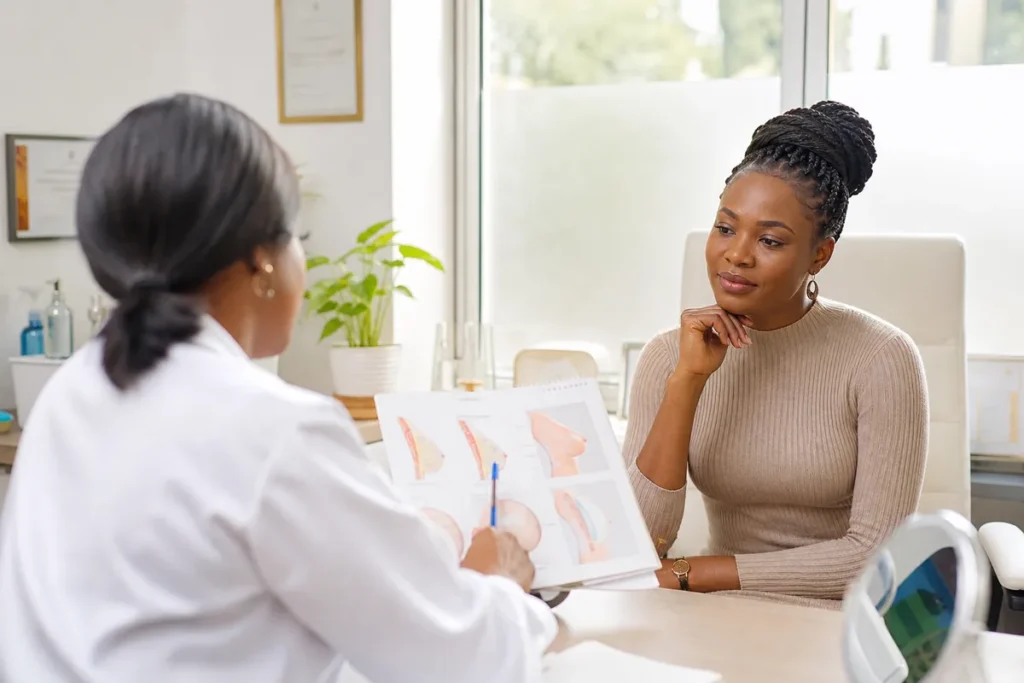
Breast enhancement options have advanced significantly in recent years, with more people in Kenya exploring choices beyond traditional implants. Fat transfer breast augmentation in Kenya is an increasingly popular technique that uses a person’s own body fat to create fuller, naturally contoured breasts. At AJ Plastic Surgery Centre, we offer expert consultations and breast procedures designed to prioritise safety, privacy, and a tailored approach for every individual.
If you have ever considered breast enhancement but want a method that produces natural-feeling results using your own tissue, a fat transfer breast augmentation performed in Kenya could be a suitable option. In this guide, we answer the most frequent questions about the procedure, including what it involves, who might benefit, the outcomes you can expect, and how our team supports each step with detailed assessment and honest advice.
Fat transfer breast augmentation in Kenya – what you need to know
This procedure provides an alternative to implants by using fat harvested from your own body, often from areas like the abdomen, thighs, or hips, to enhance breast shape and volume. The technique is also known as autologous fat transfer or fat grafting. This approach is especially appealing to those seeking a more natural enhancement, particularly individuals who wish to avoid synthetic implants.
During the procedure, our surgeons use gentle liposuction to remove fat from a donor area. This fat is then purified and carefully injected into the breasts. The result can be a subtle, natural increase in breast size and improved shape, while also refining the donor area.
At our centre, every fat transfer breast augmentation in Kenya begins with a thorough, private consultation. We discuss your goals, assess your suitability for surgery, and provide clear information about potential benefits and risks. We will also talk through expectations around final results, as well as recovery and follow-up care.
Who may consider fat transfer breast augmentation in Kenya?
- Individuals seeking a modest increase in breast size and natural breast contours
- Those wishing to avoid foreign materials such as breast implants
- Women who have experienced minor breast asymmetry or volume loss after pregnancy or weight fluctuations
- Patients interested in body contouring by removing fat from unwanted areas and enhancing the breasts at the same time
- People who have sufficient fat stores in donor sites for grafting
It is important to note that this procedure in Kenya might not be suitable if you desire a dramatic increase in breast size or if you have very low body fat. We always emphasise that results are typically more subtle than those achieved with traditional implants, but many patients are pleased with the natural look and feel.
Is it safer than traditional implants?
Autologous fat transfer uses your own tissue, eliminating the risks related to synthetic implants such as implant rupture or capsular contracture. However, fat transfer is a surgical procedure and still carries risks, including fat resorption, infection, and the potential for uneven results. In every consultation, we explain these risks, make sure you are suitable for the procedure, and discuss whether a different breast procedure might be more appropriate for your needs.
How do we prioritise safety with fat transfer breast augmentation in Kenya?
Safety is at the heart of our approach. Our patient journey begins with a meticulous consultation and continues with precise treatment planning and well-documented follow-up care.
We operate in accredited facilities with protocols that protect your well-being, privacy, and comfort. Our surgeons use techniques that maximise fat cell survival, minimise the risk of complications, and achieve natural-looking outcomes.
Throughout the process of fat transfer breast augmentation in Kenya, we place a strong emphasis on clear communication, so every step is explained and no question goes unanswered.
Is autologous fat transfer safe and effective for breast enhancement?
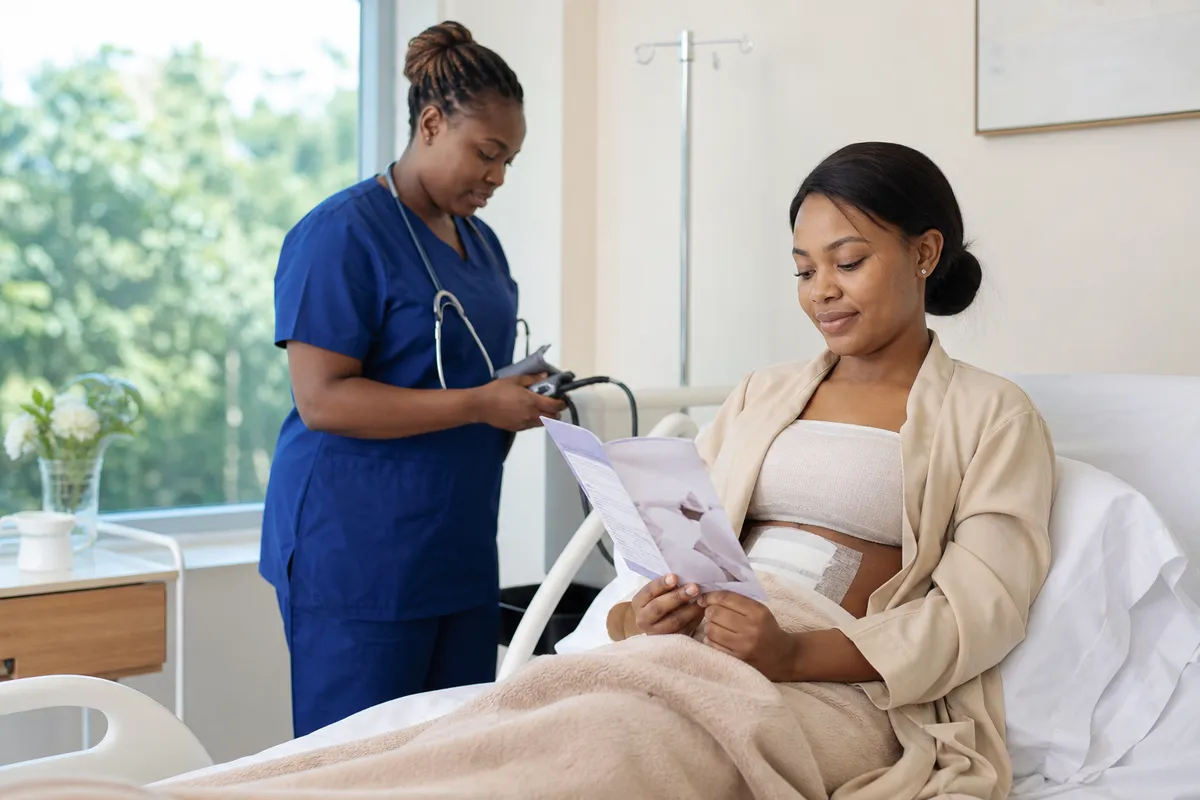
Under the right circumstances, fat transfer breast augmentation in Kenya is well established as a safe and effective method for enhancing breast shape and size. As with any surgical procedure, safety relies on careful patient selection, expert technique, and diligent aftercare.
How does the fat transfer process work?
After assessing your goals and confirming suitability, we typically harvest fat from an area where it can be safely removed, such as the hips, thighs, or abdomen. Using precise liposuction, our surgeons collect the fat, then purify it before careful injection into the targeted area of the breast.
This procedure is designed to preserve as many living fat cells as possible. The transferred fat integrates with existing breast tissue, providing a natural feel. Some portion of the transferred fat may not survive, which is why our surgeons aim for conservative increases and sometimes suggest that a second session may be needed to refine results.
Are the results natural and long-lasting?
Results from this procedure in Kenya are typically very natural in both look and feel, as your own body tissue provides the enhancement. The breasts have no foreign body and retain a soft, realistic texture.
A critical point to understand is that not all of the transferred fat will survive. The percentage that remains depends on multiple factors, including surgical technique, post-operative care, and individual healing. Once the surviving fat establishes its blood supply, results are long-lasting, often permanent, though changes in body weight and ageing can influence breast size and shape over time.
What about scarring and recovery?
Because the technique uses small incisions for liposuction and fat injection, visible scarring is minimal. Most patients experience swelling and bruising at both the donor and breast sites, but this generally subsides within a few weeks. We provide clear aftercare instructions and supportive follow-up to guide you through each stage of healing.
Is fat transfer suitable after previous breast surgery or for reconstructive purposes?
Fat grafting in Kenya can be used in selected cases after prior breast surgeries, such as implant removal or breast reconstruction. It may improve contour irregularities and restore lost volume for people who have undergone mastectomy or lumpectomy. Every situation is unique, which is why detailed personal assessment is essential.
For further perspective on fat grafting in reconstructive breast surgery, resources such as NHS information on breast reconstruction using your own tissue can be useful.
What happens during a consultation and after breast fat grafting?
Each journey towards fat transfer breast augmentation in Kenya rests on thorough, private consultation and careful planning. Our goal is to ensure you receive tailored advice, understand your options, and feel confident about your decision.
What is involved in a breast surgery consultation?
The initial consultation is one of the most important steps in planning this procedure in Kenya. During your private session, we discuss your goals, medical history, previous procedures, and expectations.
Our surgeons assess your body proportions, potential donor areas, and breast tissue. We talk honestly about what can be achieved, including the likely increase in size, the possibility of further sessions, and any limitations.
We place a strong emphasis on privacy and honest communication. You are encouraged to ask any questions, and no procedure will ever be recommended unless we believe it is genuinely suitable for you. We also provide information about what to expect before, during, and after your surgery.
Pre-operative preparation
Before your surgery, we provide detailed instructions. These typically include requirements regarding eating, drinking, medications, and logistics for the day of your procedure. We ensure every patient is adequately prepared, both physically and emotionally.
What can i expect on the day of fat transfer breast augmentation in Kenya?
The procedure is performed in an accredited surgical setting. You arrive on the day, and our team reviews your treatment plan with you. After marking the donor and recipient areas for accuracy, fat is harvested and processed before being injected into your breasts.
You are closely monitored by our clinical team throughout your stay. Most patients can return home the same day, though we discuss aftercare and support arrangements, particularly if you are travelling from outside Nairobi.
Recovery and follow-up care
Typical recovery from a fat transfer breast augmentation in Kenya involves a few days to a week of rest. Mild swelling, bruising, and discomfort in donor and breast areas are expected. We provide follow-up appointments to monitor your healing and answer any questions.
We advise avoiding strenuous exercise and direct pressure on the breasts for several weeks to maximise fat survival. Our team remains available for guidance throughout your recovery, and we arrange additional reviews as you progress. You receive clear instructions on scar care, activity, and red flags to watch for.
Ongoing care and support
Long-term outcomes after the procedure in Kenya depend on maintaining stable weight and following aftercare instructions. We encourage regular check-ups to ensure your satisfaction and address any concerns. For patients from other cities or abroad, we offer tailored guidance and support to facilitate follow-up.
Our commitment is to make your experience as safe, private, and comfortable as possible, providing reliable information and attentive support at every stage.
A good candidate is a person seeking a moderate, natural enhancement who has enough fat in donor areas and prefers to avoid implants. Suitability is always determined by our thorough consultation.
Results are generally long-lasting, as the surviving fat becomes a permanent part of the breasts. Some changes can occur with weight fluctuations or ageing.
Fat transfer breast augmentation in Kenya reduces some risks associated with implants, as it uses your own tissue. However, all surgery carries potential risks, which we discuss in detail before proceeding.
Sometimes, a second fat transfer session is needed to reach the fullest, most balanced outcome. This is discussed honestly based on your starting point and goals.
Recovery usually involves some swelling, bruising, and soreness in both the donor and breast areas, but most patients return to light activity within a week. We provide personalised aftercare instructions for a smooth recovery.