

Considering plastic surgery is a significant decision that affects your health, well-being, and self-confidence. For anyone seeking cosmetic, reconstructive, or non-surgical procedures, plastic surgery safety in Kenya must be the top priority.
At AJ Plastic Surgery Centre, we believe that understanding each element of a safe treatment pathway is crucial for every patient, from the first consultation to aftercare. In this article, we guide you through what safety truly means in our field, outline local regulations and patient rights, explore the key risks relevant to patients in Kenya, and explain the steps we take to minimize risks and uphold the highest standards for every person we treat.
Understanding plastic surgery safety in Kenya
Plastic surgery safety in Kenya is best achieved through careful assessment, trusted professional guidance, and clear protocols at every step. Safety does not mean that all risk is eliminated, but that each risk is identified, explained, and managed through skilled practice, ethical transparency, and informed decision-making.
Plastic surgery in Kenya is subject to national regulatory frameworks and professional standards. We work within the guidelines set out by the Kenya Medical Practitioners and Dentists Council (KMPDC), which oversees the licensure of surgeons and facilities, the registration of practitioners, and the ethical conduct of all medical staff involved in plastic and reconstructive surgery. This provides a basic level of protection to patients, but safety extends beyond regulation alone.
Patient rights are central to plastic surgery safety in Kenya. You have the right to clear information about your options, risks, benefits, and the qualifications of your surgeon.
You are entitled to privacy, honesty, and the opportunity to ask any question or raise any concern before giving consent to a procedure. In our experience, a safe surgery journey is anchored by honest, ongoing communication between patient and surgical team.
Safety also involves preparation and education. Patients should expect a comprehensive consultation before any surgical or aesthetic recommendation, as the needs, medical history, and expectations differ for every person. Only by starting with an individual assessment can the safest plan be created.
Across Kenya, standards and practices may vary from one facility to another. Choosing a reputable centre committed to safe plastic surgery in Kenya helps ensure not only that your practitioner is properly qualified, but also that your care is thoughtfully planned and tailored to your needs.
What are the main surgery risks in Kenya?
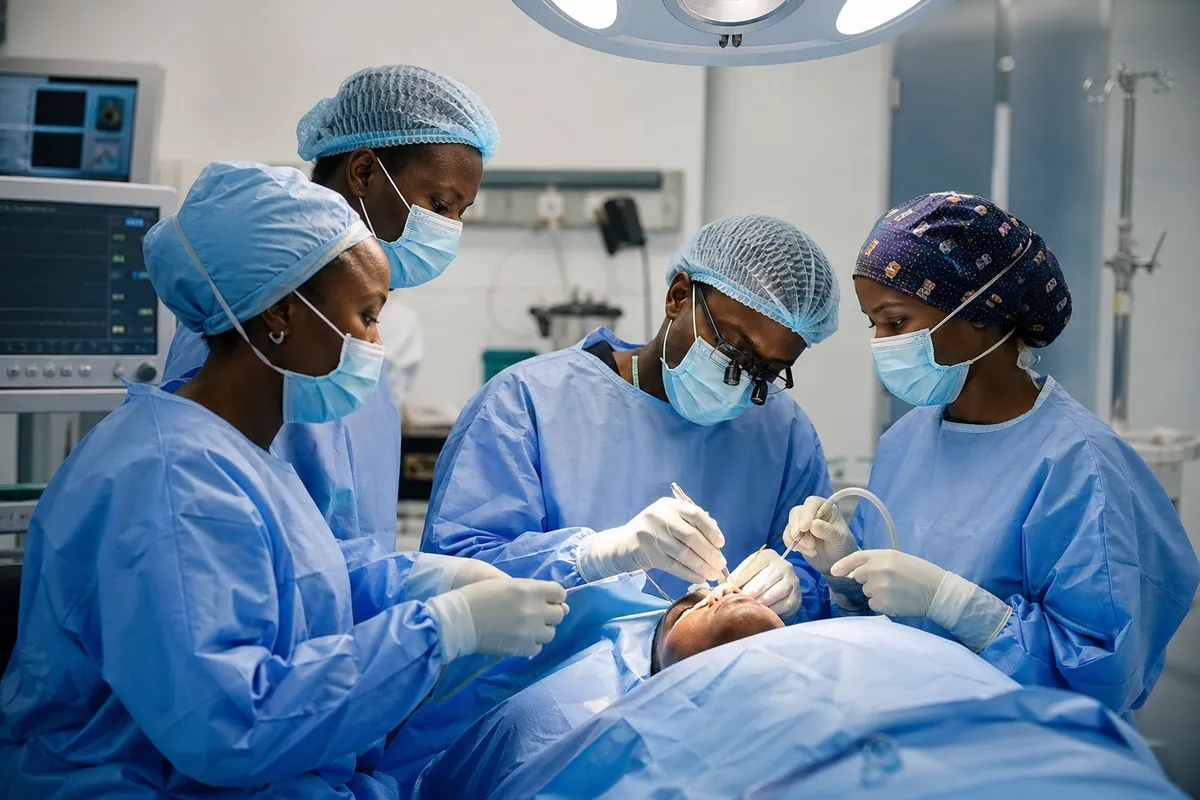
Understanding both the universal and local risks associated with plastic surgery helps patients make fully informed decisions. Achieving plastic surgery safety in Kenya requires patients and practitioners to recognize several key risk areas, medical, logistical, and contextual, that can influence outcomes.
Surgical risks shared worldwide
Globally, plastic and aesthetic procedures carry some inherent risks, regardless of location. These can include:
- Infection at the surgical site
- Adverse reactions to anesthesia
- Bleeding or hematoma formation
- Scarring and changes in skin sensation
- Delayed wound healing
These risks are explained openly during consultations, and our protocols are designed to reduce their likelihood as much as possible.
Local medical challenges and health context
In Kenya, further risk considerations may arise:
- Underlying health conditions: Patients with conditions such as diabetes, hypertension, or sickle cell anaemia may face higher surgical risks. Careful preoperative assessment is essential to identify these issues early and discuss safety strategies.
- Antibiotic resistance: As in many parts of the world, antibiotic-resistant infections are an increasing concern. Surgical safety requires careful sterilisation protocols, correct use of antibiotics, and regular monitoring during the healing process.
- Blood product availability: For more extensive procedures, advance planning for blood availability (for transfusion, if needed) is important.
Logistical and resource-based risks
Plastic surgery safety in Kenya is also affected by logistical factors:
- Access to emergency care: The ability to respond quickly to complications depends on the proximity to well-equipped medical facilities.
- Infrastructure variability: Not all facilities offer the same standard of equipment, sterility, or recovery support. Selecting a centre willing to be transparent about its protocols is vital.
- Travel and aftercare, especially for out-of-town patients: Long journeys can complicate wound healing and access to prompt follow-up, making careful planning for aftercare essential. We provide guidance and support for both local and out-of-town patients planning their recovery.
Social and regulatory landscape
Government oversight and professional regulation aim to protect patients, but challenges remain. Some unlicensed facilities and unqualified individuals operate without the necessary experience or infrastructure, increasing risk for patients. Electing to work with experienced, licensed professionals who prioritize patient safety in Kenya significantly reduces these risks.
Finally, social expectations may influence patients to pursue procedures without full understanding or realistic preparation. Honest, open conversation about risks, benefits, and likely outcomes provides a solid foundation for safe and satisfactory experiences.
How we prioritize safe cosmetic surgery for our patients
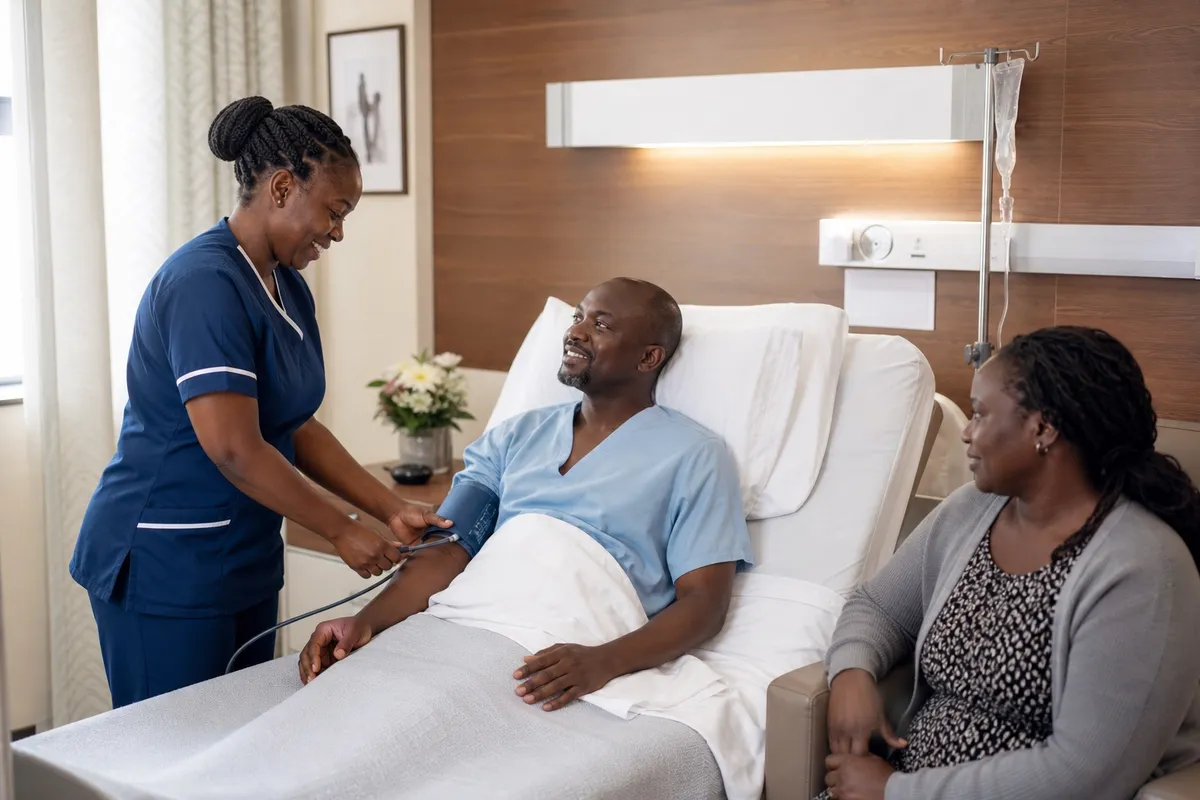
We recognize that plastic surgery safety in Kenya is not just a checklist, but a philosophy guiding every aspect of patient care. Our protocols, from initial consultation through surgery and aftercare, are built around individual assessment, risk minimization, and clear, supportive communication.
The central role of the consultation
Every patient journey with us begins with a detailed consultation. This is the cornerstone of plastic surgery safety in Kenya, as it allows us to:
- Thoroughly understand your goals, expectations, and motivations
- Review your full medical history, medications, allergies, and lifestyle
- Discuss all available options, both surgical and minimally invasive, tailored to your needs
- Explain the risks, benefits, and limitations of each procedure
- Give clear advice on suitability, safety, and expected results
- Address any questions, fears, or uncertainties you may have
In our experience, no two patients are the same. Only by listening carefully and providing honest feedback can the safest and most appropriate plan be created.
Individual assessment and patient-specific planning
Plastic surgery safety in Kenya is enhanced by considering every patient’s unique medical profile. During the assessment phase, we may order blood tests, medical imaging, or referrals to other specialists if any underlying medical issues are suspected. Patients with chronic illnesses, bleeding disorders, or specific medication needs have their surgical plans adjusted to match their risk level.
We never recommend surgery without first ensuring that you are a good candidate from a safety perspective. For example:
- A patient with poorly managed diabetes may need their condition stabilized before any surgical booking.
- Someone who smokes might be counseled on temporarily stopping their habit, as tobacco use significantly increases the risk of wound complications.
Safety protocols before and after surgery
Our processes for plastic surgery safety in Kenya are structured and consistent. Preoperatively, we explain all pre-surgery instructions in simple, accessible language, ensuring that every patient understands how to prepare. This includes avoiding certain medications, fasting as indicated, and making arrangements for safe transport.
On the day of surgery, our theatre protocols include:
- Double-checking all equipment for sterility and function
- Confirming patient identification, procedure details, and consent forms at every stage
- Strict monitoring by trained anesthesia and nursing staff
- Adherence to recommended doses and preparation methods for anesthetics and antibiotics
After surgery, safety continues to be our priority. We provide:
- Personalized wound care instructions
- Clear follow-up schedules and emergency contact details
- Early intervention for signs of infection, bleeding, or other complications
- Guidance on resuming daily activities and recognizing when to seek urgent help
For out-of-town patients, we offer additional support to coordinate their travel, accommodation, and aftercare visits, decreasing the risks that may arise from distance or unfamiliarity with Nairobi.
Honest communication and informed consent
Plastic surgery safety in Kenya thrives in an environment of openness and honesty. We never promise results we cannot deliver or downplay genuine risks. In every consultation, we provide realistic explanations of the limitations of each procedure, the possibility of visible scars, the time needed for proper healing, and the potential need for revision in certain cases.
Patients have the right to take their time, weigh their options, and seek a second opinion before deciding to proceed. We support and respect every patient’s autonomy in making these important choices.
Professional credentials and ethical standards
Our team includes surgeons who are registered and licensed by the Kenya Medical Practitioners and Dentists Council, and who participate in ongoing professional education to keep up with international best practices. We operate within licensed facilities that meet or exceed local and international safety standards. Staff are trained not only in technical procedure skills but in privacy, emergency management, and compassionate communication.
Follow-up and ongoing support
The final component of plastic surgery safety in Kenya is robust follow-up care. We structure our aftercare to make sure that any problems are identified and managed early, and that patients feel supported as they recover.
- Scheduled follow-up visits in the days and weeks after your procedure
- Reliable communication channels for any out-of-hours queries or concerns
- Assistance with paperwork or documentation if required for insurance or medical leave
This structure reduces the risk of complications going unnoticed and helps patients feel confident throughout their treatment and recovery.
When thinking about plastic surgery safety in Kenya, confirm your surgeon’s KMPDC registration, ensure that consultations are mandatory, and choose a facility with a proven track record for patient privacy, follow-up care, and honest communication.
Plastic surgery safety in Kenya depends on thorough individual assessment. Patients with chronic conditions may need special preparation or changes to their treatment plan. Honest consultation helps assess and minimise these risks.
Privacy is a key component of patient safety. It protects your medical information and helps you feel secure throughout the process, which improves trust and honesty between you and your surgical team.
Prompt follow-up and accessible communication are critical. We give every patient clear instructions and support, so any potential complication can be managed safely and effectively.
While regulations exist, not all facilities follow them fully. Choosing a provider that places plastic surgery safety in Kenya first is essential to protect your health and your results.