
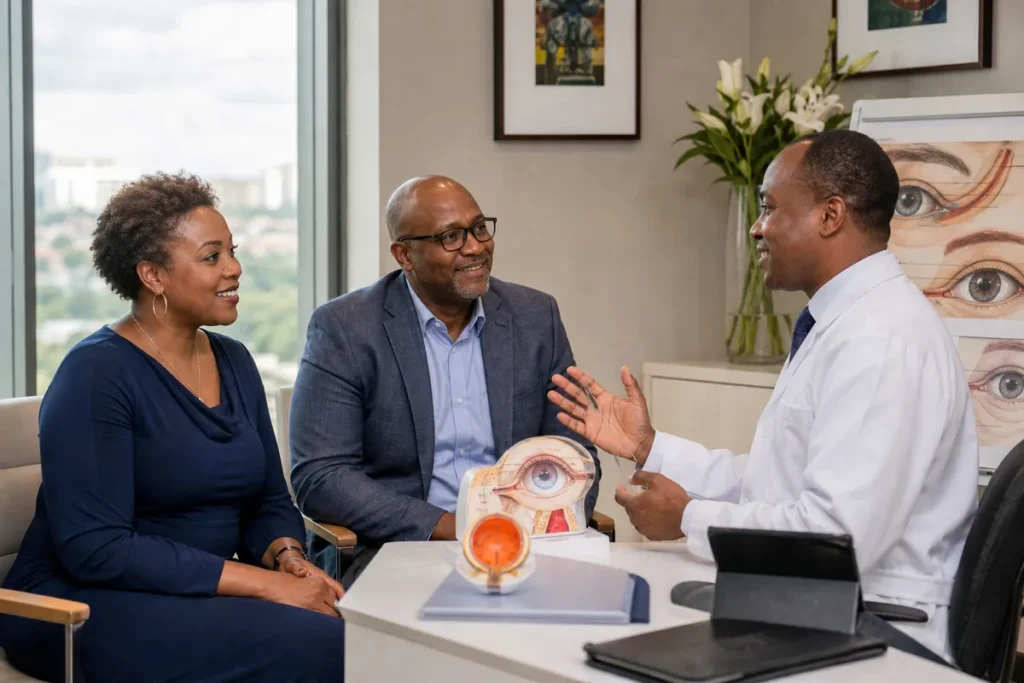
If you are considering eyelid surgery in Kenya, you likely have important questions about the procedure, your safety, possible results, and what to expect throughout the process. Many people seek eyelid surgery for both cosmetic reasons, such as looking more alert and refreshed, as well as functional reasons, like improved vision. Understanding your options and being well informed is essential for making the right choice.
At AJ Plastic Surgery Centre, we prioritise patient safety, honest communication, and individual assessment. In this comprehensive FAQ, we answer the most common questions people in Nairobi and across Kenya have about eyelid surgery, including who qualifies, what happens before and after the procedure, and how we support your journey every step of the way.
Understanding eyelid surgery in Kenya
Eyelid surgery in Kenya, also known as blepharoplasty, is a procedure designed to reshape or rejuvenate the eyelids. This surgery can address both cosmetic and medical concerns by removing excess skin, tightening underlying muscles, and sometimes adjusting or repositioning fat around the eyes.
The two primary types of eyelid surgery are:
- Upper eyelid surgery: This focuses on the upper eyelid, where sagging or drooping skin can make a person look tired or even impair vision. Removing excess tissue can create a more youthful and open appearance.
- Lower eyelid surgery: This addresses puffiness, under-eye bags, or loose skin beneath the eyes. Lower blepharoplasty can help reduce shadows and smooth the contour under the eye.
Our surgeons typically tailor eyelid surgery in Kenya to each patient’s unique facial structure and desired outcome. In most cases, the goal is to create a natural, well-rested look rather than a dramatic change.
Eyelid surgery can help with several conditions:
- Excess skin that creates hooding or a heavy-lidded look
- Puffiness or under-eye bags due to fat deposits
- Fine wrinkles around the eyes
- Impaired vision caused by drooping upper lids
For some, eyelid surgery is mainly aesthetic. For others, it improves function and comfort in daily life. We begin every treatment with a detailed consultation, allowing us to assess your needs and discuss the most suitable options for you.
Who is a good candidate for blepharoplasty in Kenya?

Eyelid surgery in Kenya is suitable for adults who are in good health and have specific concerns related to their eyelids. While both men and women may benefit from the procedure, individual candidacy depends on several key factors.
Suitability criteria
Potential candidates for eyelid surgery typically include people who:
- Notice sagging or drooping of the upper eyelids, which may interfere with appearance or vision
- Have puffy or baggy lower eyelids causing tiredness or self-consciousness
- Are non-smokers (or willing to stop smoking ahead of surgery)
- Do not have serious eye conditions or uncontrolled medical illnesses
We consider your medical history, general health, skin type, and eye structure before recommending eyelid surgery in Kenya. Chronic illnesses such as thyroid disease, diabetes, or bleeding disorders may affect suitability, so our surgeons always discuss these openly during consultation.
Personalised consultation and patient assessment
Every journey at our centre begins with a comprehensive consultation. This meeting allows us to:
- Review your medical history and examine your eye area carefully
- Discuss your main concerns, whether cosmetic or functional
- Take photographs for surgical planning (always respecting your privacy)
- Talk through your expectations and clarify what is realistically achievable
For out-of-town or international patients, we offer initial guidance to help you prepare for your assessment in Nairobi.
We believe in honest conversations. If you are not a candidate for eyelid surgery in Kenya, we will explain the reasons and suggest safer or more appropriate alternatives.
Factors affecting eligibility
Certain factors can influence whether blepharoplasty is safe and effective:
- Eye health: Pre-existing dry eye, glaucoma, or recent eye procedures are considered.
- General health: Uncontrolled hypertension, heart disease, or major systemic illnesses could increase surgical risks.
- Emotional readiness: A clear understanding of the procedure, including potential risks and recovery time, is vital for good decision-making.
By assessing every patient individually, we support both your safety and your goals. Our experience shows that the most satisfied patients understand and feel comfortable with every step of their care.
What to expect before and after an eyelid lift in Nairobi
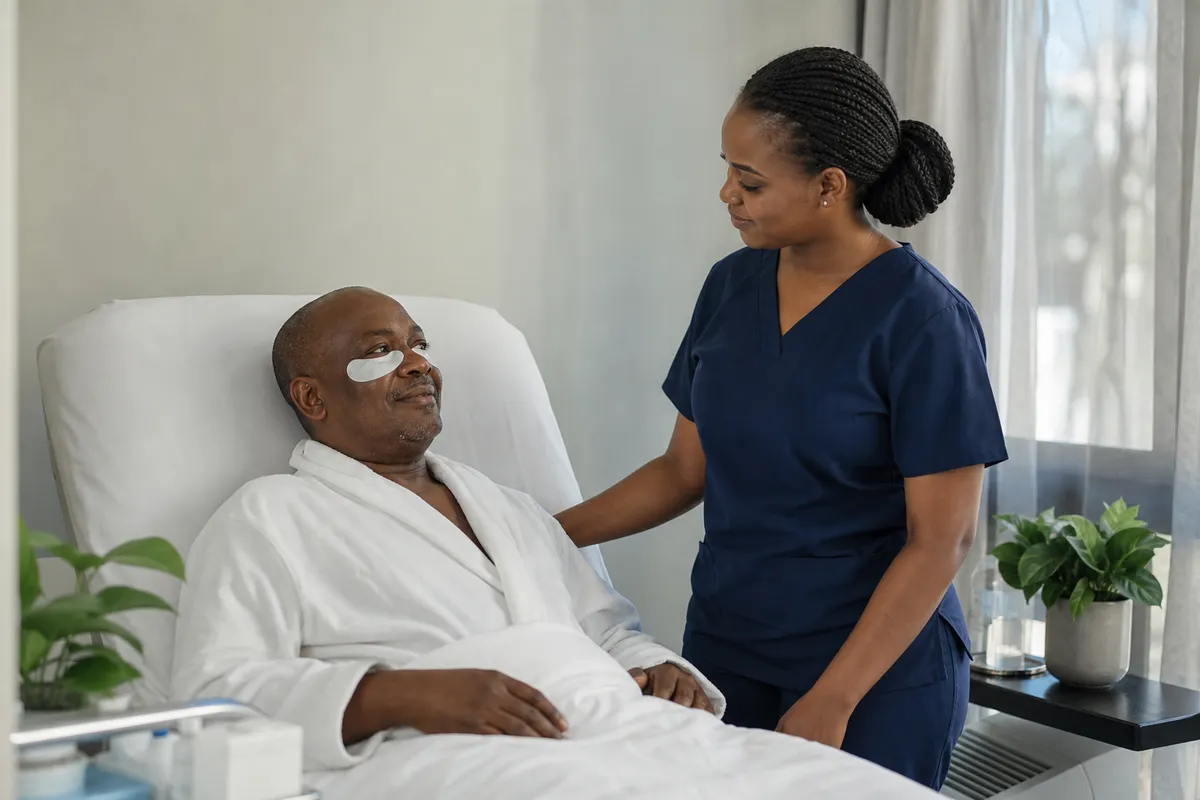
Eyelid surgery in Kenya involves several stages, each designed to support your confidence and wellbeing.
Before your eyelid surgery: Consultation and preparation
We start with a private, one-on-one consultation. Your surgeon will review your medical history and listen to your goals. We explain the available surgical and non-surgical options, the risks and benefits, and outline the likely outcome based on your unique features.
After careful planning, we share detailed pre-surgery instructions:
- Avoid blood-thinning medications, certain supplements, and smoking for a specified period before your procedure.
- Arrange for someone to take you home, as most eyelid surgeries are performed as day procedures.
- Prepare for a few days of downtime for recovery and follow-up care.
If you live outside Nairobi, we can help with travel and preparation guidance. Our goal is to make your visit as smooth and supportive as possible.
Eyelid surgery procedure overview
On the day of your surgery, we ensure your comfort and privacy from the moment you arrive. Most eyelid surgeries are performed under local anaesthesia with sedation, which allows for a quick recovery and reduces risks.
The surgeon makes carefully planned incisions hidden in the eyelid’s natural folds or just below the lash line. Excess skin, muscle, or fat is removed or repositioned as needed. Incisions are then closed with fine sutures.
Surgery typically takes 1–2 hours, depending on the extent of the work. You can usually return home the same day, with a clear aftercare plan provided by our team.
After eyelid surgery: Recovery and follow-up
Immediately following eyelid surgery in Kenya, you may experience mild swelling, bruising, and tightness. These effects are normal and generally improve within 1–2 weeks.
We give all our patients written and verbal instructions for post-operative care, including:
- Applying cold compresses for the first 24–48 hours to reduce swelling
- Proper use of medications and eye hygiene
- Sleeping with your head elevated
- Avoiding strenuous activity until cleared by your surgeon
Most people return to work and light activities within 7–10 days, though recovery timelines vary. We schedule follow-up visits to check your progress, remove sutures, and answer any questions you have during the healing period.
Your privacy is a top priority throughout. We offer private waiting and consultation spaces and treat every patient’s information with the highest level of discretion.
Guidance for out-of-town patients
If you are coming from outside Nairobi, we help you plan for your stay and recovery needs in advance. Our team provides advice on travel timing, accommodation close to our facility, and the recommended length of stay after surgery, ensuring you are fully supported from arrival through recovery.
Risks and safety considerations
Like any surgical procedure, eyelid surgery in Kenya has potential risks. Common side effects include bruising and swelling, while rare complications may involve infection, noticeable scarring, or changes in eyelid symmetry.
We minimise these risks with careful patient selection, meticulous surgical technique, and thorough pre- and post-operative care. We believe in honest communication, so you will be fully informed of all possible risks prior to proceeding.
All our procedures are performed in accredited facilities with a strong focus on safety, privacy, and patient comfort. Every patient receives detailed information about what to expect at each stage.
Results and expectations
Most patients see significant improvements in the appearance of their eyelids within 2–3 weeks, with scars gradually fading over several months. The results of blepharoplasty are often long-lasting; many people enjoy a more alert and refreshed look for years.
It is important to maintain realistic expectations. We aim to achieve a natural improvement, never an artificial or “overdone” appearance. Your surgeon will discuss the likely outcome and what to expect, so you can make a fully informed decision.
Most patients recover from eyelid surgery in Kenya within 7–10 days for everyday activities. Minor swelling or bruising may last up to two weeks, but full healing continues for a few months. We schedule follow-up visits to monitor your progress.
Discomfort after eyelid surgery in Kenya is usually mild and controlled with prescribed medication. Some temporary tightness and swelling are normal but subside quickly.
Eyelid surgery is designed to give a natural, refreshed look rather than obvious changes. In our experience, most patients find friends or colleagues notice they look more rested, without realising surgery was performed.
Some mild concerns about eyelid appearance can be addressed using minimally invasive aesthetic treatments. We discuss these options during your initial consultation and tailor recommendations to your individual needs.
We support patients from all regions, helping with pre-travel advice, local accommodation, and follow-up plans. We ensure you understand what is required for a safe procedure and comfortable recovery.