
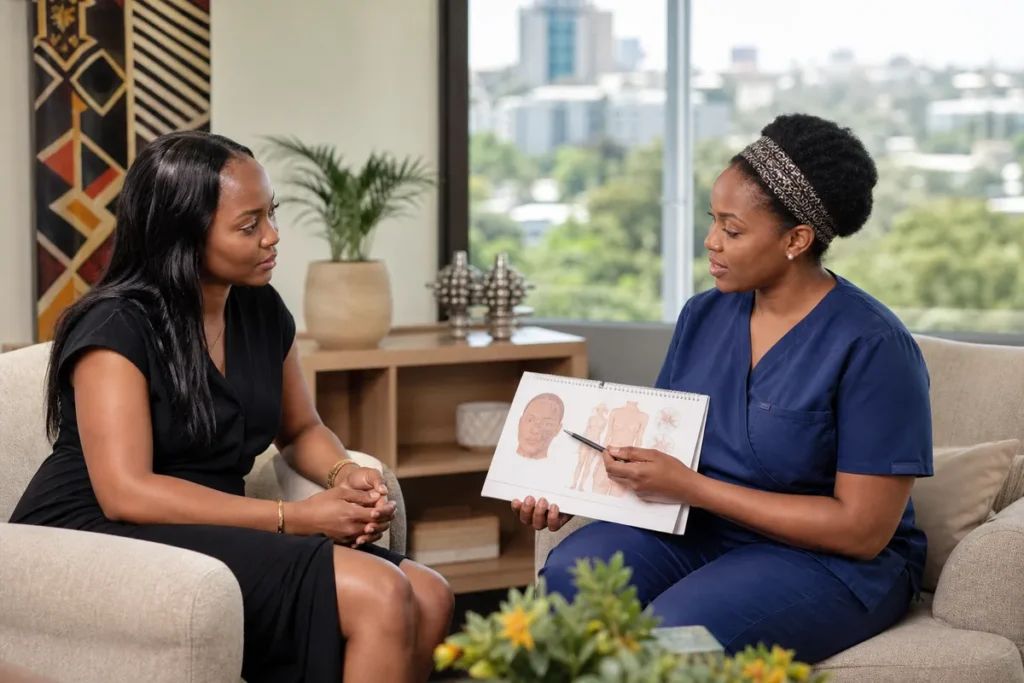
If you are thinking about a mommy makeover, understanding mommy makeover recovery in Kenya is an important first step. A mommy makeover is a combination of body and breast procedures designed to restore or reshape the body after pregnancy, childbirth, or weight loss. Our experience shows that every woman’s journey is unique, and safe, comfortable healing is a top priority.
In Nairobi and across Kenya, women often look for clear, locally relevant information on what recovery will really involve, from preparing a home environment to privacy considerations and getting the right aftercare. With our approach, every treatment begins with an in-depth consultation and a detailed focus on patient safety and comfort. Here, we discuss what to expect during mommy makeover recovery in Kenya, how to plan for healing, and the support available at each stage.
Understanding mommy makeover recovery in Kenya
Mommy makeover recovery in Kenya often includes several procedures such as tummy tuck, liposuction, breast lift, breast reduction, or augmentation, either as standalone treatments or together. Recovery needs vary depending on the combination and extent of surgery.
We believe that the best results come from careful planning, honest communication, and realistic goal setting. In our consultations, we spend time explaining which treatments are appropriate and what healing will look like for your individual situation. Throughout recovery, we prioritize your safety, privacy, and comfort, recognizing both the physical and emotional aspects of this journey.
Personal circumstances in Kenya, such as family support, access to home care, and travel logistics (especially for patients outside Nairobi), often play a role in shaping the recovery experience. We factor in these realities to guide you with practical, local advice that fits your lifestyle and needs.
Timeline and stages of healing after a mommy makeover
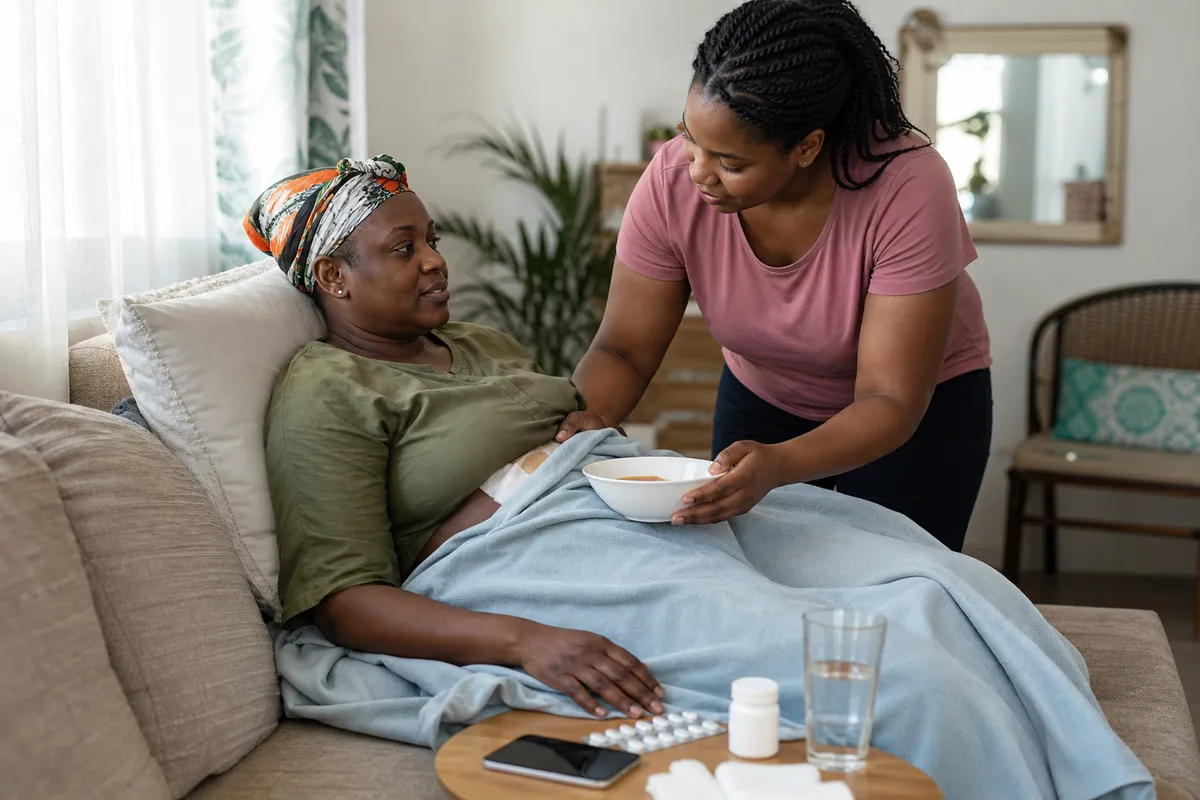
The stages of recovery after a mommy makeover in Kenya follow certain typical patterns but are always shaped by the procedures you undergo, your health, and the support available.
The first few days: Immediate post-surgery
The first few days after your mommy makeover are about rest, wound care, and managing discomfort. It is common to feel tired and sore, especially around treated areas like the abdomen and breasts. Stiffness, swelling, and bruising are expected.
You may spend one or two nights at our facility or go home the same day if your treatment allows. Pain is usually controlled with prescribed medication, and we ensure you and your support person are fully briefed on how to look after your incisions and dressings.
During this time, you will need help at home. Simple tasks like getting up, bathing, or preparing food might not be possible right away. We always advise that you arrange trusted support, whether from family members, a close friend, or a hired carer, before the procedure.
The first two weeks: Gentle movement and initial healing
Over the first two weeks of recovery from a mommy makeover in Kenya, you will notice swelling and bruising begin to subside. Most patients can move more easily and gently return to light daily activities at home, such as eating regular meals and moving around the house, but still need to avoid lifting children, doing housework, or anything strenuous.
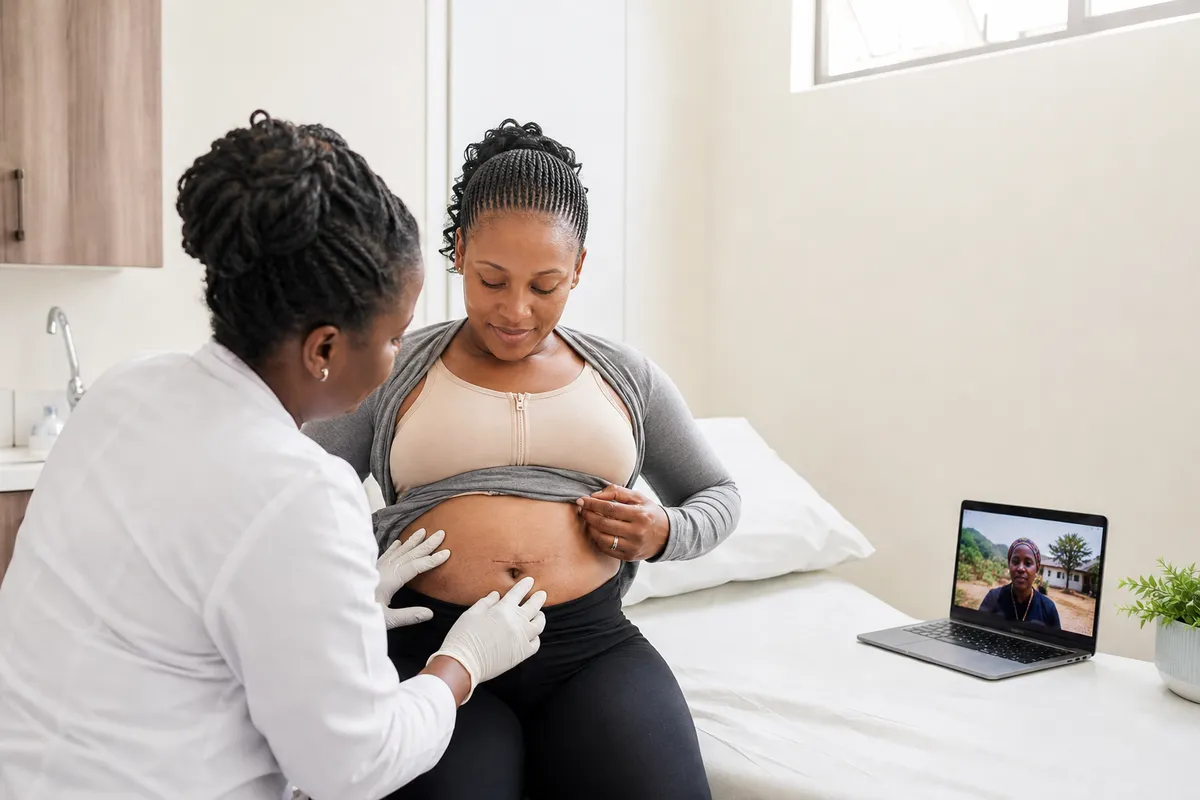
Stitches may be removed at this stage if non-dissolvable types are used. We schedule a review to check your healing, address questions, and make sure you are comfortable with wound care. Compression garments for the abdomen or breasts are often worn to support shape and reduce swelling, and we explain exactly how to use them safely.
Weeks three to six: Returning to normal activities
By weeks three to six, many women feel significantly better, with less discomfort and improved energy. Most can return to office-based work or remote jobs, though physically demanding roles or childcare often require a longer break.
Walking and light stretching can be gradually increased, while heavy exercise and lifting remain off limits for now. Scars may start to fade from deep red or purple to lighter shades, though they will continue to soften over several months.
We closely monitor your progress, adjusting care if necessary and giving feedback on what activities you can resume and when. For women living outside Nairobi, virtual check-ins and clear guidance help ensure continued safety and peace of mind.
Long-term healing: Three months and beyond
At three months, the results of a mommy makeover are usually visible, but swelling can persist and scars are still maturing. Numbness, sensations like itching or tingling, and mild asymmetries may linger but typically resolve over time.
A full return to strenuous exercise, lifting, and all routine daily life activities is possible, and most patients feel back to themselves by this stage. Final results, including the appearance of scars and body contour, may not be fully established until six to twelve months post-surgery.
We remain available for follow-up and offer support as you adapt to long-term changes. Detailed aftercare advice, scar management tips, and emotional support can make a real difference as your recovery progresses.
Essential recovery tips for Nairobi patients
Planning a smooth recovery after a mommy makeover in Kenya involves both practical preparation and a focus on self-care. Our experience with local patients allows us to share these actionable tips:
Prepare your home in advance
Before surgery, set up a comfortable, easily accessible sleeping space, preferably on the ground floor to avoid stairs. Place essentials within easy reach: water, snacks, phone, medications, wound dressings, and entertainment options.
Arrange for help with childcare, school runs, meals, and house cleaning. If you live alone, a trusted friend or relative should stay with you for at least the first week.
Managing discomfort and medication
Follow your prescribed medication routine closely, never doubling doses or taking non-recommended over-the-counter drugs. Keep a written schedule for pain relief and antibiotics, and alert us immediately if you notice unexpected symptoms like fever, bleeding, or severe pain.
Cool compresses, gentle walking for circulation, and taking medicine with food can all help manage side effects.
Protecting your privacy and emotional wellbeing
Privacy is often a key concern for women considering mommy makeover recovery in Kenya. We respect that many patients prefer not to share details with others, and we advise on how to maintain confidentiality during recovery, such as taking leave from work or arranging child care discreetly.
It is normal to experience ups and downs emotionally as your body changes. We encourage honest conversations with your support network and, where needed, can refer you to trusted counsellors familiar with body image and post-surgical recovery.
Nutrition, hydration, and wound care
Healthy eating supports healing. Focus on a balanced Kenyan diet with protein, fresh vegetables, whole grains, and plenty of water. Avoid smoking and alcohol, as these can delay wound healing and increase scar risks.
Keep wounds dry and clean, using only products recommended by your surgeon. Change dressings as instructed, and avoid traditional skin remedies that are untested for surgical recovery.
Minimise stress and avoid overexertion
Listen to your body and do not rush your return to routine. Gentle movement is good, but avoid overexertion or picking up children. If you need to travel from outside Nairobi, plan for extra time to return home and rest.
Our approach to post-surgery care in Kenya
At AJ Plastic Surgery Centre, we place special emphasis on safe, realistic, and supportive mommy makeover recovery in Kenya. Our approach begins with a comprehensive consultation, focused on your health, expectations, and individual needs.
We never recommend surgery until a full assessment has been completed. Together, we discuss treatment goals, medical history, available support at home, and how recovery will work for you. Expectations are set clearly from the very beginning, with full transparency about downtime, risks, and possible complications.
After your procedure, our focus is on ongoing, proactive follow-up. We provide detailed written and verbal aftercare instructions, personal telephone support, and scheduled reviews in person or virtually. For patients from outside Nairobi, we offer guidance on recovery logistics to ease travel demands and ensure you are looked after during your stay in the city.
Patient safety and comfort are central at every stage of recovery. Our team is on hand to address any concerns, provide clear communication, and adapt care to your evolving needs. We guide you through every milestone: from removing dressings and managing scars, to the emotional shifts of returning to your daily life.
For more insight into surgical safety and recovery, see NHS UK’s patient advice.
The recovery time after a mommy makeover varies from person to person, but most women need 2–3 weeks before returning to light work duties and around 6 weeks for full recovery. Recovery time will depend on the specific procedures performed and your personal health, so we discuss realistic timelines during your consultation.
For the first two weeks, you will need help with childcare and household tasks. Lifting small children, heavy objects, or doing housework is not recommended until your surgeon has cleared you. Planning ahead for support makes recovery safer and less stressful.
Risks after surgery include infection, bleeding, poor wound healing, or excessive swelling. Common warning signs are high fever, severe pain, new bleeding, or skin changes around incision areas. We teach all our patients what to watch for and provide emergency contact information for peace of mind.
Discretion is important. We discuss ways to plan leave from work, arrange transport, and manage home care without drawing unwanted attention. Privacy is respected throughout your care and follow-up.
Yes, we support both Nairobi residents and patients visiting from other regions. Our team helps with scheduling, travel planning, and virtual follow-ups for those returning home, ensuring everyone receives thorough, individualised aftercare.