
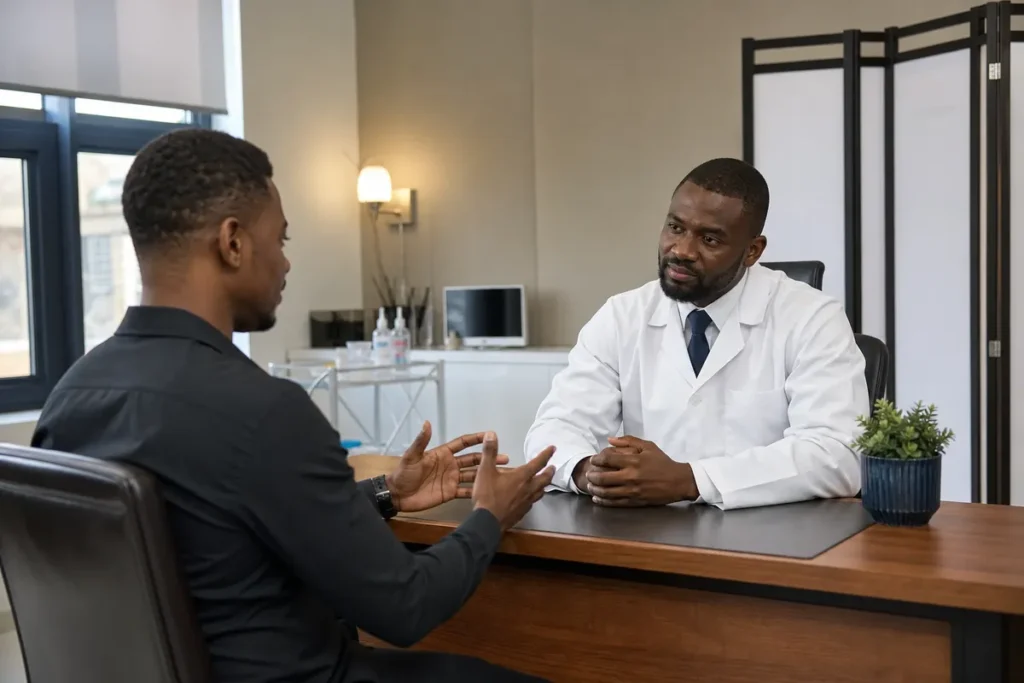
Male breast reduction in Kenya is an increasingly sought-after procedure among men aiming to address enlarged chest tissues, often caused by gynecomastia. At AJ Plastic Surgery Centre, we recognize that for many men in Nairobi and throughout Kenya, concerns about physical appearance, comfort, or self-confidence can prompt questions about breast reduction surgery. We see this as a sensitive and deeply personal topic, so we focus on patient safety, privacy, and thorough, honest guidance right from your first contact with us.
Understanding male breast reduction in Kenya
Male breast reduction is most commonly performed to treat gynecomastia, a condition characterized by enlarged glandular breast tissue in men. Gynecomastia may affect one or both sides of the chest.
In Kenya, gynecomastia is more common than many realize. Our surgeons see patients of all ages, from teens through to older men, and most are surprised to learn that the condition affects up to 60% of men at some point during their lives worldwide, according to NHS UK.
Men in Kenya seek breast reduction surgery for reasons that go beyond appearance alone. Discomfort during exercise, difficulty finding shirts that fit comfortably, or feelings of embarrassment at the gym or on the coast (when swimming in Mombasa or Diani, for instance) often motivate men to seek help. In our experience, even mild gynecomastia can lead to social withdrawal, low self-esteem, or anxiety, particularly among younger patients or those in careers that involve public speaking or personal appearance.
Hormonal imbalances (such as an increase in estrogen or decrease in testosterone), side effects of medication, obesity, or underlying health issues can all contribute to gynecomastia. Sometimes, the real cause is not obvious until a full medical consultation and assessment are completed.
When to consider gynecomastia surgery in Nairobi
If you are considering a male breast reduction procedure in Kenya, it is important to understand when surgery becomes the right option. Not every case of enlarged male breasts requires surgical intervention, and sometimes lifestyle changes, medication adjustments, or other treatments may resolve the problem.
In our Nairobi-based consultations, we often see men who have:
- Persistent breast enlargement that has not responded to weight loss or exercise
- Breast tissue that is painful, tender, or appears to be growing
- Noticeable asymmetry between the left and right sides of the chest
- Emotional distress related to their appearance, impacting daily life or confidence
Some men notice changes in adolescence, while others experience gynecomastia later due to conditions such as liver disease, kidney issues, thyroid disorders, or the use of bodybuilding supplements (for example, anabolic steroids).
We tailor each assessment individually. In some cases, further blood tests or imaging may be recommended to identify any underlying medical problems before discussing surgical solutions.
Causes of enlarged male breasts
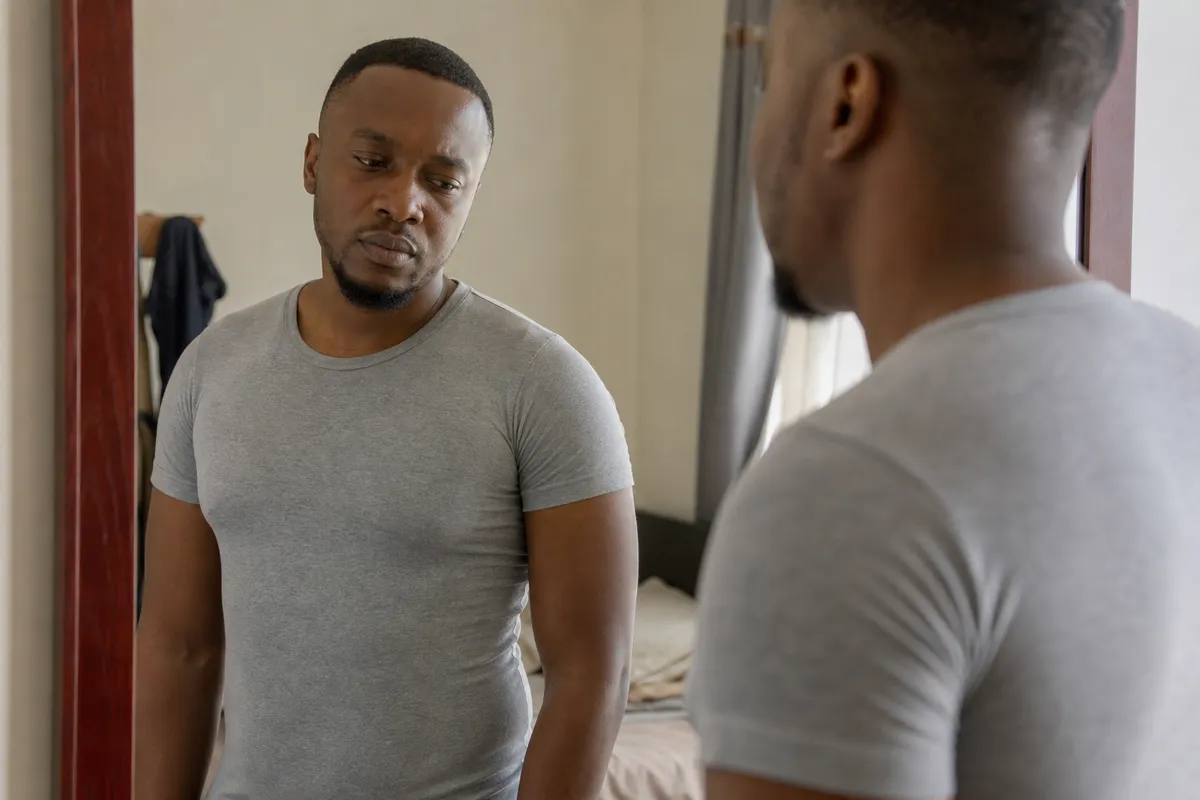
The most common reasons we identify for enlarged male breasts in our Kenyan patients include:
- Hormonal changes: Naturally occurring in puberty, middle age, or with conditions that disrupt hormone levels
- Obesity: Fat can accumulate in the chest area, sometimes mimicking or masking true gynecomastia
- Certain medications: HIV medication, anti-ulcer drugs, and some hypertension or psychiatric medications
- Underlying health conditions: Problems with the liver, kidneys, or thyroid can alter hormone balance
- Substance use: Chronic use of alcohol, marijuana, or anabolic steroids
Part of our consultation process for male breast reduction in Kenya involves carefully reviewing your medical history and investigating these causes where relevant. This ensures we recommend only safe and appropriate treatment options.
Assessment and diagnosis in Nairobi
We always start with a private consultation at our Nairobi practice, whether you visit us in person or wish to begin your assessment remotely as an out-of-town patient. During this appointment, our surgeons will:
- Take a detailed medical and family history, focusing on symptoms, duration, and potential risk factors
- Examine the chest to assess the amount and nature of tissue (glandular vs. fatty)
- Consider relevant tests (such as blood tests for hormone levels or liver/kidney function)
- Advise on any imaging that might be needed (such as ultrasound, if a lump feels unusual)
This step ensures we distinguish between gynecomastia (glandular tissue) and pseudogynecomastia (fat accumulation only), as the surgical approach can differ. We also clarify your main concerns, expectations, and goals for treatment.
Non-surgical options

For patients with mild gynecomastia or pseudogynecomastia caused primarily by increased weight, we often advise non-surgical approaches first. In Kenya, structured weight loss with guidance from registered dietitians or local fitness professionals can help, particularly when paired with chest-targeted exercise programs.
If medications or an underlying medical condition are responsible, management may include stopping or adjusting these treatments under supervision from your primary care doctor (such as those at Nairobi Hospital, Aga Khan University Hospital, or Kenyatta National Hospital). In some cases, referral to a specialist endocrinologist is helpful.
However, for persistent cases or situations where glandular tissue is dominant, surgery remains the only truly effective and permanent solution.
Surgical male breast reduction in Kenya
For those with true gynecomastia not improved by non-surgical means, male breast reduction in Kenya offers a safe, discreet, and long-lasting solution. We perform this surgery under either local anesthetic with sedation or general anesthesia, depending on your preference and the complexity of the procedure.
The most common surgical techniques we use include:
- Liposuction: Suction removal of fatty tissue through small incisions, suitable when excess fat is the main problem
- Excision: Direct removal of glandular tissue via a small incision at the lower edge of the areola (the darker area around the nipple)
- Combination approach: Both excision and liposuction, for mixed cases
We carefully plan the surgical approach during your consultation, discussing scar placement, expected results, and likelihood of recurrence. At every stage, we prioritize discretion and natural results.
Your treatment journey: What to expect before, during, and after surgery
The consultation: Individual assessment and planning
Your patient journey for male breast reduction in Kenya begins with a confidential consultation. Our team provides a respectful, judgement-free environment where you can discuss your concerns openly. We ask about your health, lifestyle, medications, and reasons for considering surgery.
Assessment includes an examination and a tailored discussion about the best surgical or non-surgical options for you. We talk through any alternatives, risks, and likely outcomes, making sure your expectations are realistic. You will have the opportunity to ask questions and consider your options without pressure.
Preparing for surgery
If you decide to proceed, we give clear step-by-step instructions tailored to your situation. These may include:
- Results of any required blood tests or imaging
- Stopping certain medications, such as blood thinners, a week beforehand
- Avoiding smoking and alcohol for a specified period before and after surgery
- Arranging transport or a companion for the day of surgery, especially for patients coming from outside Nairobi
Out-of-town patients receive guidance on finding local accommodation and arranging post-surgery check-ups.
The surgical procedure
On the day of your male breast reduction in Kenya, you will be welcomed by our nurses and care team. The surgery itself usually takes 1–2 hours, depending on complexity. Incisions are planned to be as small and inconspicuous as possible, typically around the areola and sometimes at the side of the chest.
Liposuction removes fatty tissue where necessary; glandular tissue is excised directly. Dissolving stitches are used in most cases. You will be monitored until you are safely able to go home; most patients return the same day.
Recovery and aftercare
Recovery after male breast reduction in Kenya is generally smooth, but we provide detailed aftercare instructions and regular follow-up. Expect some bruising, swelling, and mild discomfort, which usually settle over a week or two. We recommend wearing a compression vest for 2–4 weeks to support healing.
Our surgeons remain available for follow-up appointments and advice, whether you are based in Nairobi or traveling from Eldoret, Kisumu, or elsewhere. We are happy to coordinate with your GP or referring doctor if needed.
Returning to work often happens within a few days, although jobs involving lifting may require a longer recovery. Exercise and contact sports should be avoided for 4–6 weeks. Scars tend to fade with time and are discreetly placed.
Risks, complications, and results
All surgery carries risks, and male breast reduction in Kenya is no exception. We discuss all potential issues, including infection, bleeding, scarring, loss of nipple sensation, or uneven results, during your consultation. However, we find that with careful planning and precise technique, serious complications are rare.
Results are usually permanent, although weight gain, certain medications, or hormonal changes can cause recurrence in rare cases. We encourage patients to maintain healthy habits for the best possible long-term outcome.
Most men tell us they experience a significant boost in self-confidence, improved posture, and greater comfort in clothing and social situations following recovery.
The price of male breast reduction in Kenya varies based on clinic, surgeon’s experience, and complexity, but as of 2024, most reputable Nairobi facilities charge between KES 200,000 and KES 350,000. We provide an exact quotation after your individual assessment and discussion of the most suitable procedure for you.
At present, NHIF does not cover male breast reduction in Kenya, as the procedure is considered cosmetic unless linked to a significant health issue. Limited reconstructive cases may be addressed in public hospitals such as Kenyatta National Hospital, but waiting lists can be long and most cosmetic procedures are privately funded.
Most men return to work after 3–7 days, depending on the type of surgery performed, and can resume light exercise after around 2 weeks. Full healing and final results may take 3–6 months.
Recurrence of gynecomastia after male breast reduction in Kenya is uncommon when the primary causes are addressed, but significant weight gain, certain medications, or hormone imbalances can result in regrowth.
We support patients from across Kenya, offering initial teleconsultations and helping to arrange local accommodation and check-ups where necessary. Booking a consultation is the first step.