
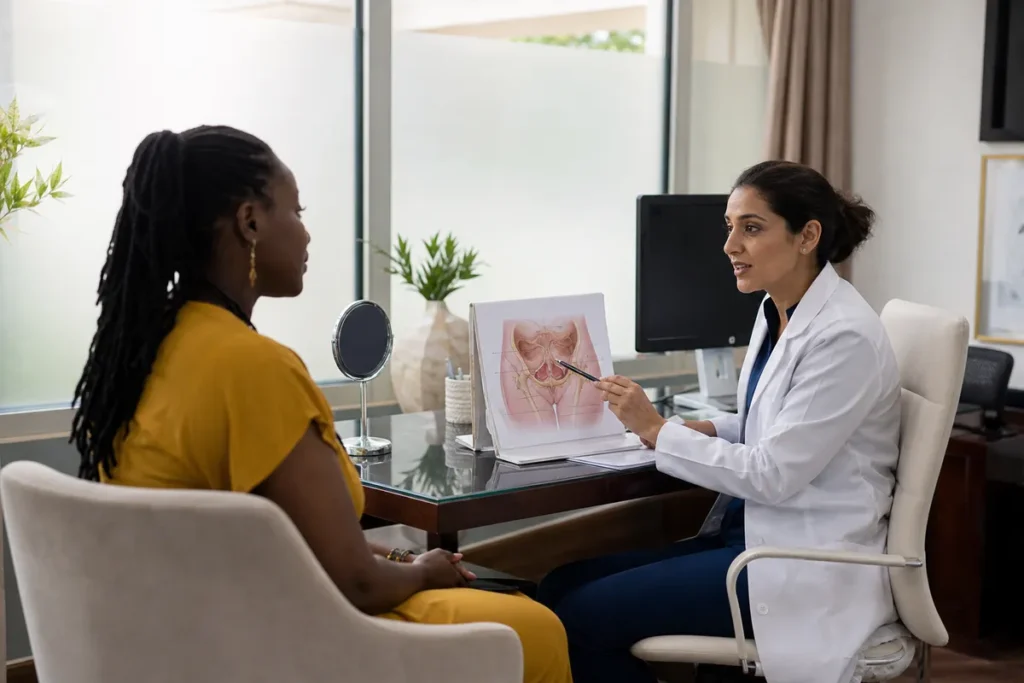
Choosing an intimate procedure can feel overwhelming, especially if you are considering options like vaginal rejuvenation vs labiaplasty in Kenya. At AJ Plastic Surgery Centre, we aim to provide clear guidance and safety-focused care for every patient seeking aesthetic improvement or correction in this delicate area. Understanding the distinction between these treatments is key to making an informed choice that respects your privacy, safety, and well-being.
Vaginal rejuvenation vs labiaplasty in Kenya: What’s the difference?
When considering vaginal rejuvenation vs labiaplasty in Kenya, it is essential to know that although these procedures both focus on intimate areas, they address different concerns and offer different outcomes.
Labiaplasty is a surgical procedure that involves reshaping or reducing the labia minora (the inner lips of the vulva) and sometimes the labia majora (outer lips). People often consider labiaplasty for various reasons, including physical discomfort, irritation during exercise, cycling, or intercourse, or dissatisfaction with appearance. The medical goals are to improve comfort, correct asymmetry, or restore normal anatomy after childbirth or injury.
Vaginal rejuvenation is a broader term referring to treatments designed to restore, enhance, or tighten the vaginal area. These can be surgical or non-surgical, with the goal of improving vaginal tone, function, or appearance. Non-surgical methods typically use radiofrequency energy, lasers, or other minimally invasive technologies to stimulate collagen production, increase elasticity, and address dryness or mild laxity.
In Kenya, awareness of options for intimate procedures is growing, and more individuals are seeking solutions tailored to their needs. Our approach always begins with a confidential consultation, allowing us to understand your goals and provide clear, honest information before discussing any specific recommendation.
Types of intimate surgery in Kenya: Surgical and non-surgical options
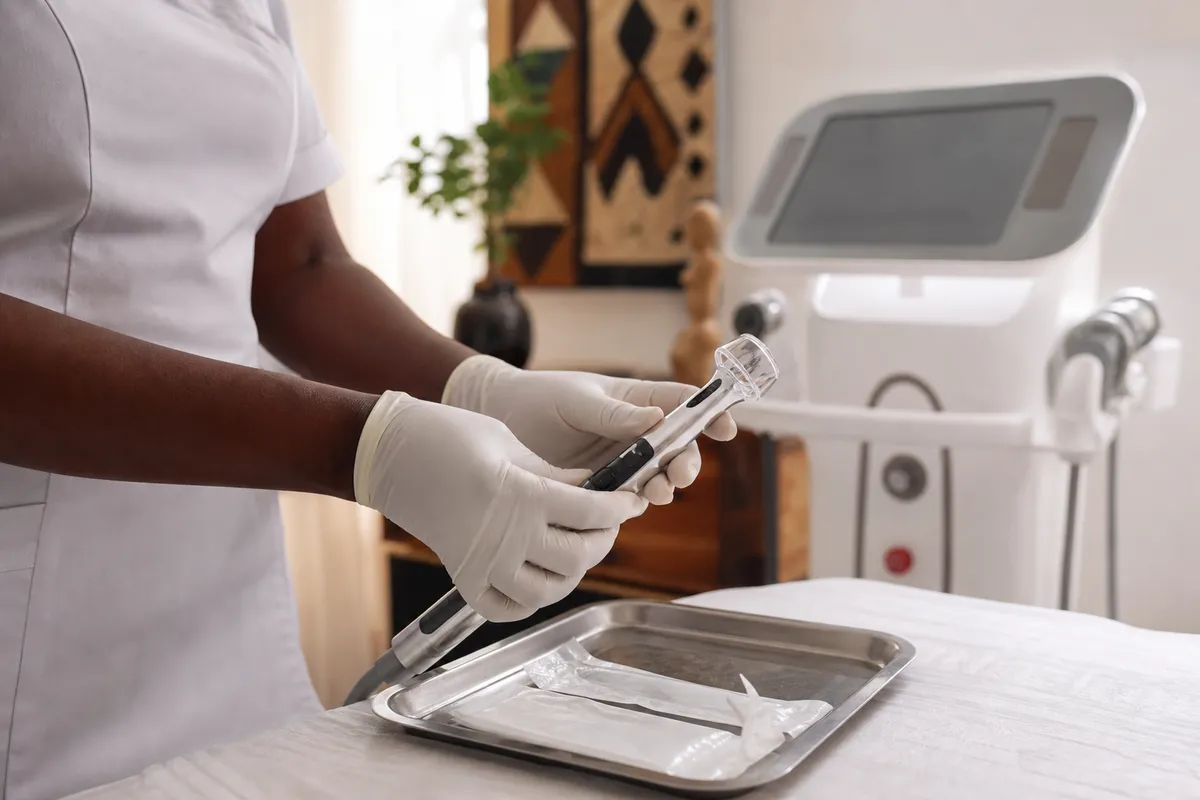
When comparing vaginal rejuvenation and labiaplasty in Kenya, it helps to understand the types of procedures available and what each can achieve. We offer both surgical and non-surgical treatments designed around patient safety, privacy, and individual anatomy.
Surgical options: Labiaplasty and related procedures
Labiaplasty involves surgically modifying the labial tissue. There are several reasons why people may pursue labiaplasty:
- Physical discomfort: Enlarged or irregular labia can cause chafing, irritation, or pain during daily activities, cycling, or intercourse.
- Aesthetic concerns: Some individuals feel self-conscious about the appearance or asymmetry of their labia.
- Functional or reconstructive needs: Childbirth, injury, or prior surgery can alter labial shape or function, leading to the desire to restore comfort or appearance.
Labiaplasty typically takes one to two hours and is performed under local anaesthesia with sedation or, in some cases, general anaesthesia. The procedure may use different techniques depending on your anatomy and goals.
Recovery usually involves mild discomfort, bruising, or swelling for a few weeks. Most patients return to light activities within a few days, and full activity (including intercourse or cycling) can resume after several weeks, as advised during follow-up.
We also offer other related surgical options such as a pubic lift, which elevates the mons pubis area for those experiencing sagging or bulging, often after weight loss or pregnancy. However, labiaplasty remains the main surgical solution for labial concerns.
Non-surgical options: Vaginal rejuvenation
Non-surgical vaginal rejuvenation treatments use advanced technology to enhance the appearance, tone, and comfort of the vaginal area without incisions. In our experience, these procedures are in growing demand in Nairobi and across Kenya, as many patients prefer treatments with minimal downtime.
The most common non-surgical vaginal rejuvenation options include:
- Radiofrequency therapy: This uses controlled energy to gently heat the vaginal tissue, stimulating natural collagen production. Patients often report improved tightness, moisture, and comfort.
- Laser vaginal rejuvenation: Lasers target the deeper layers of the vaginal tissue, promoting collagen production and tissue regeneration. This may improve mild laxity and certain symptoms of menopause or childbirth, such as dryness or slight incontinence.
Non-surgical vaginal rejuvenation is usually performed as an outpatient treatment. Sessions last 20–40 minutes, with little to no recovery time needed.
Many patients notice gradual improvements after one session, with optimal results after a recommended course of treatments. These are well suited for people seeking subtle enhancement, increased comfort, or improved vaginal health without surgery.
We plan non-surgical treatments carefully based on an individual assessment. Your safety, privacy, and dignity are always our priorities during every stage, from consultation to follow-up.
Candidacy for each type of procedure
When weighing options for vaginal rejuvenation versus labiaplasty in Kenya, the right choice depends on your unique needs and desired results.
- Labiaplasty may be most appropriate if you experience significant discomfort from excess or irregular labial tissue, wish to change the size or shape of your labia, or require surgical correction after childbirth or prior procedures.
- Non-surgical vaginal rejuvenation works best for those seeking improved tone, mild tightening, increased comfort, or symptom relief, particularly if you prefer to avoid surgical risks or significant downtime.
It is important to understand that a thorough assessment by a qualified surgeon is the safest way to determine which, if any, of these procedures are suitable for your needs.
Recovery, risks, and aftercare
Each procedure has distinct recovery timelines and potential risks:
- Labiaplasty: Expect swelling, tenderness, and some bruising for 1–3 weeks. Risks may include infection, scarring, altered sensation, or dissatisfaction with appearance. We provide clear aftercare guidance and regular follow-up to ensure your safety and comfort.
- Non-surgical vaginal rejuvenation: Minor redness or swelling may occur for a few days. Risks are generally low, but rare issues include temporary discomfort or irritation. Our aftercare protocols put patient safety and privacy first, and we maintain strict confidentiality and sensitive support.
Considering labiaplasty in Nairobi: Key points to know
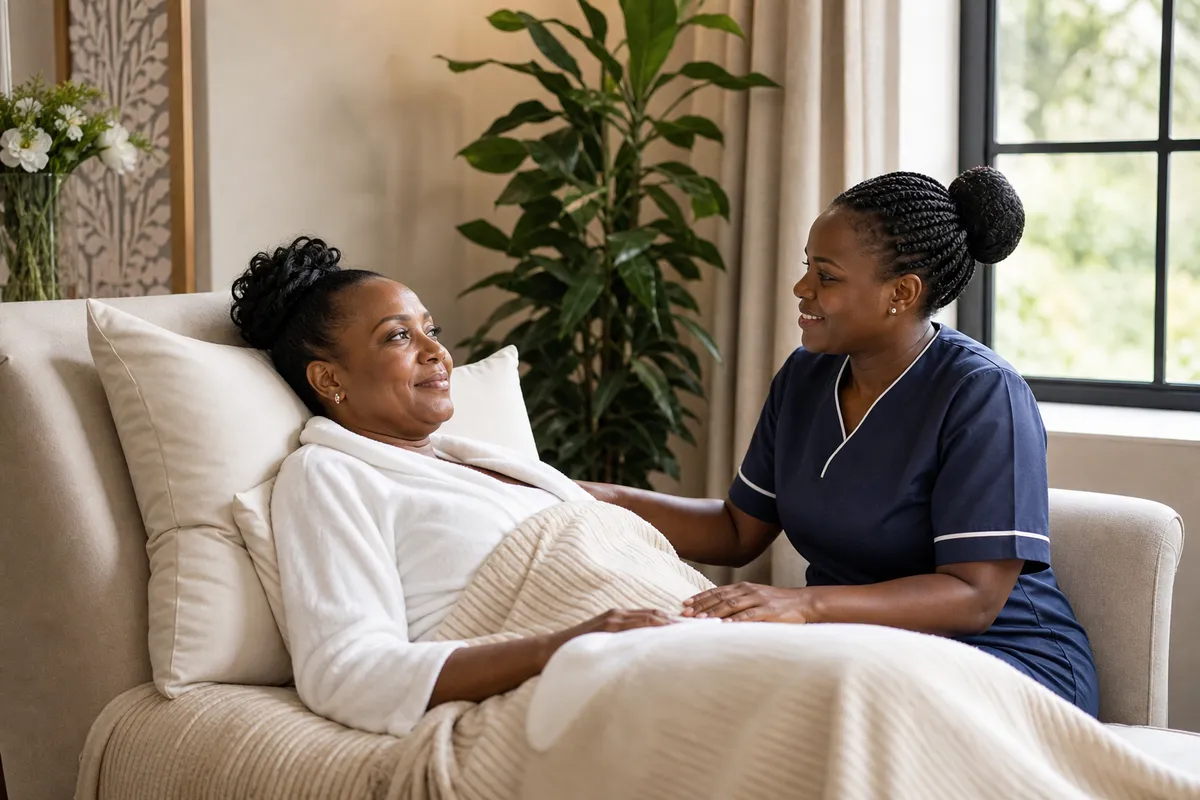
Choosing labiaplasty, or any intimate procedure, in Nairobi or elsewhere in Kenya requires more than just a wish for change. It is vital to consider your motivations, expectations, and the importance of a safety-focused, private consultation.
What to expect at consultation
We start every journey with a face-to-face, confidential consultation with a highly trained plastic surgeon. This is your opportunity to:
- Discuss your concerns openly, knowing everything is confidential.
- Learn about the available procedures, including labiaplasty and non-surgical vaginal rejuvenation.
- Receive a physical assessment to determine what, if any, treatment may be appropriate.
- Review the potential risks, realistic results, costs, and recovery period.
- Ask any questions you might have about what to expect, both physically and emotionally.
Consultation also helps us determine if your concerns may be resolved through non-surgical means or require further medical investigation. In our experience, honest communication leads to the best outcomes.
Alternatives to labiaplasty
Some people find relief or satisfaction through non-surgical vaginal rejuvenation, pelvic floor physiotherapy, or lifestyle changes. In other cases, addressing hormonal or medical causes can help resolve symptoms such as dryness or mild laxity. We can guide you through your options to find the safest, most effective route for your needs.
Cost considerations
The cost of labiaplasty in Kenya can vary depending on the complexity of the procedure, anaesthesia requirements, and individual factors. Non-surgical vaginal rejuvenation typically involves a series of shorter, less costly sessions, though multiple treatments are usually needed.
During your consultation, we provide clear, complete information about all costs. This transparent approach is central to our ethos of safety and trust.
Privacy and safety
Intimate procedures require sensitivity and absolute discretion. We maintain strict privacy for every patient, from your initial enquiry to your final follow-up appointment. Our facilities in Nairobi are equipped for confidential, comfortable care, and our surgeons are highly trained in both technical skill and patient support.
How a safety-first assessment protects your wellbeing
Elective intimate procedures can offer significant benefits, but they must be carefully planned. Every treatment decision begins only after a thorough individual assessment. We review your health, medical history, aesthetic goals, and any emotional factors that may affect your decision.
We only recommend surgery or treatment when we are confident it is safe, suitable, and in your best interest. Guidance on aftercare, realistic expectations, and follow-up support are a key part of our process. Our aim is always to empower you with clear, trustworthy information without pressure or unrealistic promises.
If you are considering vaginal rejuvenation vs labiaplasty in Kenya, remember: your privacy, safety, and dignity come first in every interaction.
For further information about labiaplasty, you can visit the Wikipedia page on labiaplasty or schedule a consultation with us for advice tailored to your needs.
Vaginal rejuvenation includes a range of procedures aimed at improving the appearance, comfort, or function of the vaginal area, often using non-surgical techniques, while labiaplasty is a surgical procedure focused on altering the size or shape of the labia minora or majora.
A confidential consultation allows us to assess your unique needs and guide you to the most appropriate treatment option, whether non-surgical vaginal rejuvenation or labiaplasty, always prioritising your safety and goals.
As with any procedure, there are potential risks, such as infection, bruising, sensitivity changes, or dissatisfaction with results. We review all risks with you in detail so you can make a fully informed decision.
Non-surgical vaginal rejuvenation generally offers a faster recovery, with most people returning to normal activities quickly, while surgical labiaplasty requires a longer period of rest and aftercare.
Costs vary depending on which procedure you choose and individual treatment plans. We discuss all fees transparently during your private consultation, helping you plan with confidence.