
Rhinoplasty, often called a “nose job”, is one of the most transformative yet deeply individual procedures in plastic surgery. In a diverse country like Kenya, patients often want results that refine or enhance the natural nose shape without erasing their ethnic identity.
Ethnic rhinoplasty in Kenya recognises that every patient has distinctive features shaped by their heritage, skin type, and anatomy. Our role is to provide specialist nose reshaping that values individuality, safety, and clear, honest guidance from start to finish.
We know that many patients seek rhinoplasty not just to change the look of their nose, but to bring balance to their face or address functional issues such as breathing. For those considering ethnic rhinoplasty in Kenya, education and transparency about each step are essential. Here, we explore what makes this procedure unique, how it’s adapted for local needs, what to expect on your journey with us, and the answers to some of the most common questions we hear in Nairobi.
Ethnic rhinoplasty in Kenya: What makes it unique?
Ethnic rhinoplasty in Kenya is not a “one-size-fits-all” approach. Our patients come from many backgrounds, including African, Asian, Arab, and mixed ancestry. Each group, and each person, has their own aesthetic ideals, cultural values, and nasal anatomy.
A key aspect of ethnic rhinoplasty in Kenya is to avoid forced “Westernisation” of the nose. Instead, we focus on personalised refinement: enhancing balance and definition while respecting and preserving your unique ethnic features.
We find that many Kenyan patients seek subtle improvements rather than dramatic changes. For some, that means narrowing the nose bridge slightly or refining the tip.
For others, it may involve correcting old injuries, breathing issues, or asymmetry from childhood. In all cases, ethnic rhinoplasty in Kenya means careful planning based on your facial structure and goals, not a generic template.
We believe the hallmark of excellent ethnic rhinoplasty in Kenya is honest, thorough consultation. Our surgeons listen closely to your concerns, discuss your aspirations, and help you understand what is technically possible for your specific nose type. We offer realistic, evidence-based advice, never overpromising or pushing unnecessary procedures.
The importance of cultural sensitivity
Cultural context plays a pivotal role in ethnic rhinoplasty in Kenya. Nairobi is home to a wide variety of cultures and communities, each with their standards of beauty and personal preferences.
We know that some patients are concerned about losing elements of their ethnic identity or receiving results that seem out of place among family and peers. Our approach is rooted in sensitivity to these concerns.
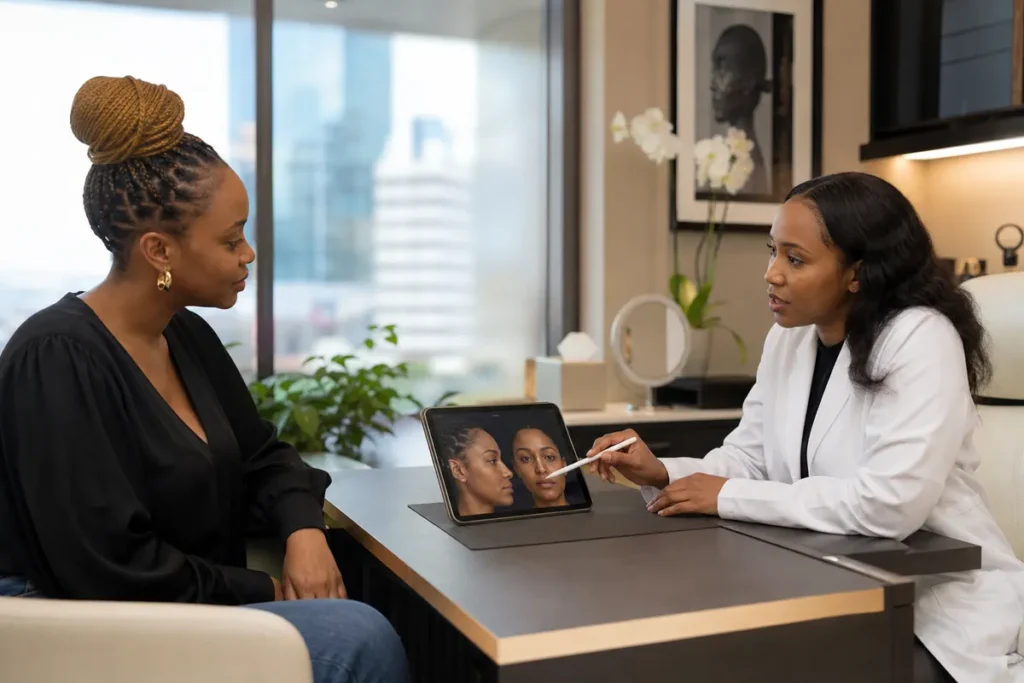
In our consultations, we take time to learn about the features you value and those you wish to adjust. We use advanced digital imaging to show likely outcomes, making sure you have a clear sense of what’s possible. By guiding patients through this decision-making process step by step, we empower you to make informed, comfortable choices about your appearance.
Individual assessment as the foundation
Every journey with us begins with a private consultation. For ethnic rhinoplasty in Kenya, this is not just a formality, it is crucial for designing a safe and personalised treatment plan.
During assessment, we consider nose shape, skin type, healing tendencies, and your wider facial proportions. We explain all surgical and non-surgical options, and any potential risks or limitations, in clear, jargon-free language.
Throughout, your privacy is respected. Our role is to inform and guide, not to judge or pressure. Only after a thorough individual assessment can we determine if ethnic rhinoplasty in Kenya is appropriate for you, or if different options may deliver better outcomes.
Understanding African rhinoplasty and nose reshaping for Kenyan skin
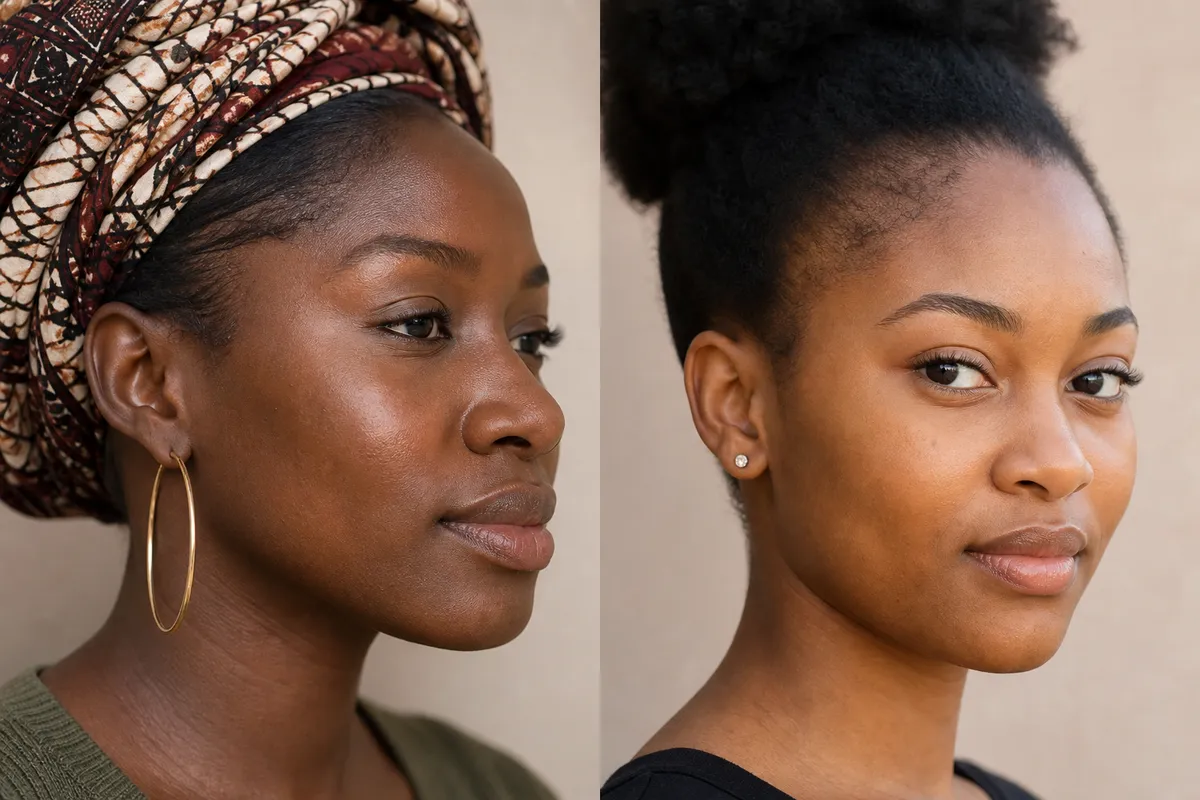
The anatomy of the nose differs significantly among individuals of African descent and other ethnic backgrounds common in Kenya. In ethnic rhinoplasty in Kenya, these differences are not obstacles but starting points for safe, effective, and natural results.
How Kenyan skin and anatomy affect rhinoplasty
Most African noses, including those seen commonly in Kenyan patients, tend to feature thicker skin, a wider nasal base, weaker cartilage support in the tip, and distinct internal structures. These factors shape the choice of techniques in ethnic rhinoplasty in Kenya.
Thicker skin can sometimes mask fine changes in the nasal framework, so our surgeons often focus first on strengthening the underlying cartilage. This helps ensure that the nose maintains its refined shape as healing progresses. We use specialised suturing methods and grafts, when necessary, to add subtle definition to the tip and improve support, minimising the risk of collapse over time.
A broader nasal base is another common concern among our patients seeking ethnic rhinoplasty in Kenya. When appropriate, we can use gentle, tailored narrowing of the base (alar base reduction) to create balance without making the nose appear “pinched” or out of harmony with the face.
Addressing breathing and function
We regularly treat patients whose nasal anatomy leads to airflow difficulties, snoring, or persistent congestion. Ethnic rhinoplasty in Kenya can be combined with corrective procedures to improve breathing, such as septoplasty or internal valve repair. This dual approach not only refines the nose’s outward shape but can also relieve long-standing discomfort.
Our team is committed to ensuring no compromise between appearance and function. During assessment, we evaluate both how your nose looks and how it works, combining these insights into your personalised surgical plan. This sets the stage for long-lasting, satisfying results.
Realistic outcomes and the importance of patience
Because of the unique characteristics of Kenyan skin and nose anatomy, results unfold gradually. Swelling can persist longer than in thinner-skinned noses, sometimes several months to a year before the final refined look fully emerges. We prepare each patient for this reality during their ethnic rhinoplasty in Kenya journey, emphasising the importance of patience and realistic expectations.
We also take special care in planning incisions and closure techniques for African skin types, which may be prone to keloid or hypertrophic scarring. Part of our consultation includes reviewing your healing history and risk factors, and discussing preventive steps. When needed, we advise on appropriate scar management to optimise healing.
What to expect: Consultation, surgery, and recovery in Nairobi
Choosing ethnic rhinoplasty in Kenya is a major decision that requires trust, preparation, and expert care. Here’s what you can expect when you partner with us for your care, from the first consultation to full recovery.
Private consultation and careful planning
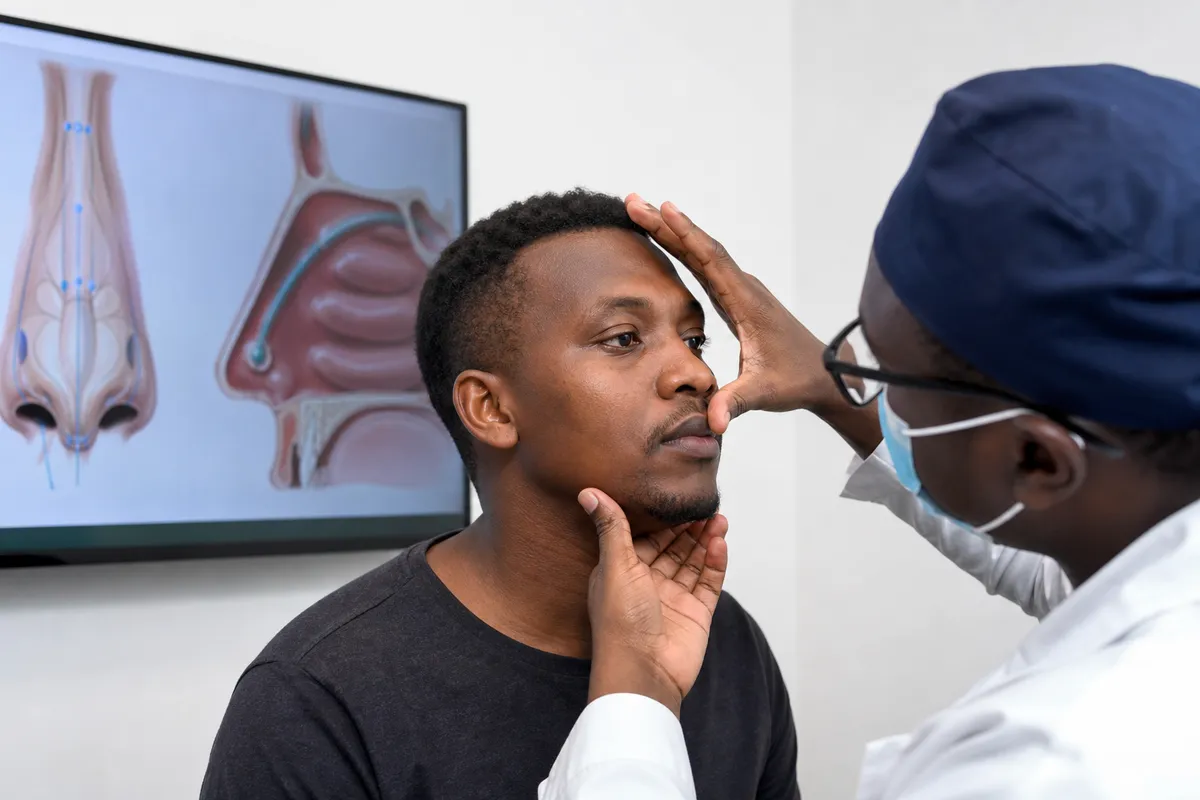
Your journey starts with a confidential consultation at our Nairobi facility. We take time to understand your reasons for seeking ethnic rhinoplasty in Kenya, whether for purely aesthetic reasons, to correct trauma, or to address breathing difficulties.
In this session, we perform a full medical history review and detailed nasal examination. We use advanced digital planning tools and, when helpful, 3D imaging to simulate possible result scenarios based on your requests. For our patients, seeing a realistic projection is often reassuring, especially for those who have never discussed aesthetic changes before.
We discuss all viable surgical and, if appropriate, non-surgical options, potential risks, expected recovery processes, and support available for both local and out-of-town patients. No question is too small, and you are never rushed into making a decision. If ethnic rhinoplasty in Kenya is right for you, we schedule surgery only when you feel ready and informed.
Pre-surgery preparation and guidance
Once a surgical date is set, we guide you through detailed preparation. This includes pre-operative health checks and advice on medications, nutrition, and practical steps to support healing. Special instructions may be given regarding hair care, facial care, and avoiding certain supplements or medications that can affect bruising and recovery.
On the day of surgery, you arrive at our discreet Nairobi surgery facility. Patient privacy is paramount at every step, from check-in to recovery. Our anaesthesia team reviews your health and comfort requirements, and our support staff ensure you are settled and confident before surgery begins.
The surgical procedure in Nairobi
Ethnic rhinoplasty in Kenya is typically performed as a day procedure under general anaesthesia or sedation, tailored to your safety and preferences. Most techniques involve incisions made inside the nose, with a small external incision at the base only when necessary for open rhinoplasty. This approach allows for precise visualisation and sculpting of the nasal structures.
During the procedure, our surgeons may reshape cartilage, adjust bone structure, refine the nasal base, and, if required, add cartilage grafts to support tip definition. Everything is planned and executed according to the unique needs highlighted in your assessment. If breathing concerns are present, corrective steps such as septal straightening can be done at the same time.
Surgeries usually last 2–4 hours, depending on complexity. Our priority is always patient safety, meticulous technique, and maintaining the integrity of your ethnic features.
Immediate post-surgery recovery
After surgery, we transfer you to a recovery suite, where your progress is closely monitored. Most patients return home the same day, with a friend or family member for support.
Mild swelling, bruising, or a blocked feeling in the nose is normal for the first week after ethnic rhinoplasty in Kenya. Discomfort is usually well controlled with prescribed medication. We provide clear instructions on sleeping position, gentle facial cleansing, and avoiding any activity that could disturb the nose as it heals.
You will wear a nasal splint, which helps support the new shape and is typically removed after 7–10 days. Most visible bruising settles in two weeks, although subtle swelling can last several months, especially in noses with thicker skin, a unique consideration for many Kenyan patients.
Follow-up and full healing
Proper support after surgery is just as important as the procedure itself. We schedule several follow-up visits over the following weeks and months to ensure healing is on track, check for any concerns, and guide you on caring for your results. In-person or virtual appointments are available for out-of-town patients.
Final results unfold slowly as the last traces of swelling resolve, often three months before significant improvement is seen, with continued refinement over the first year. We emphasise realistic expectations throughout, reminding patients that patience is essential for achieving their best outcome from ethnic rhinoplasty in Kenya.
Our commitment does not end after surgery. We remain available for questions, scar management advice, or any reassurance you need at each stage. We guide our patients with openness and empathy, helping you feel supported throughout your transformation.
A good candidate is someone who wants to improve the shape or function of their nose while maintaining features that reflect their heritage. We consider your health, goals, and expectations before recommending ethnic rhinoplasty in Kenya.
Costs can vary widely depending on the extent of correction, need for cartilage grafts, and any complexity such as previous injury or breathing issues. During your consultation we offer clear guidance on anticipated fees and what is included, so there are no surprises.
Candidates should be at least in their mid-teens, after the nose has finished growing. We often recommend waiting until around age 17–18 for most patients, but timing can vary and is always discussed during your assessment.
Most patients describe recovery as mildly uncomfortable rather than painful. We prescribe medication to control discomfort and closely monitor your healing, providing support if any concerns arise.
The main difference is that ethnic rhinoplasty in Kenya is tailored to the individual’s unique skin type, nasal anatomy, and heritage. Our approach prioritises natural balance rather than trying to force a uniform result. This often leads to outcomes that look harmonious and authentic for each patient.