
Scars are a common concern for many people living in Kenya, whether from injuries, burns, acne, or previous surgeries. Understandably, this can affect confidence, comfort, and even daily life. At AJ Plastic Surgery Centre, we support individuals looking for effective, evidence-based scar removal treatments in Kenya, with a core focus on safety, privacy, and personalised care.
Seeking scar removal treatment in Kenya is not just about appearance; it is about restoring confidence, function, and quality of life. Many people want to reduce the visibility of scars that remind them of accidents, medical procedures, or skin conditions such as acne.
Others wish to address discomfort, itching, or restricted movement. No matter the reason, receiving care from experienced professionals is vital for optimal results and peace of mind.
Our team helps patients across Nairobi and beyond explore the most suitable treatments for their unique scars. We ensure every decision is based on a thorough assessment, honest guidance, and a clear understanding of both the benefits and limits of each approach.
Scar removal treatments in Kenya: What are your options?
Scars can take many forms, from fine lines to thick, raised tissue or pigmentation changes. As no scar and no skin is identical, every scar removal treatment in Kenya must be tailored with care and expertise.
Surgical scar revision
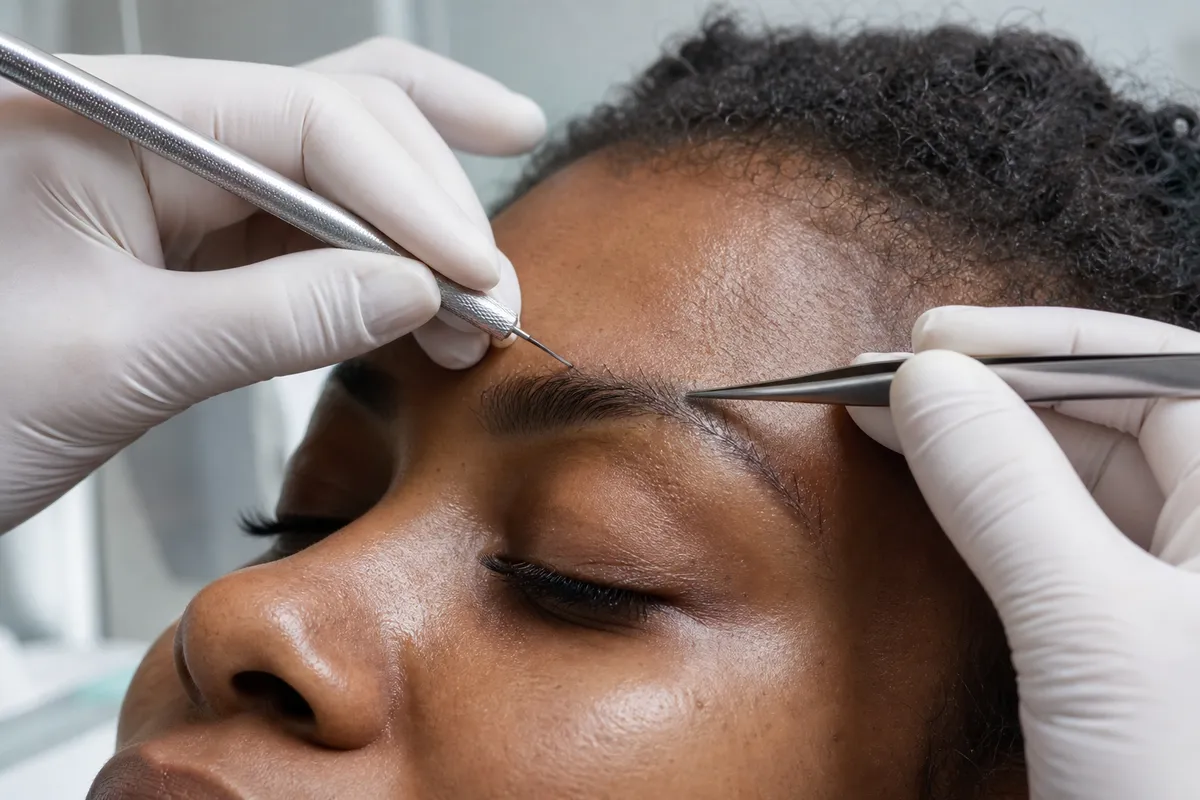
In cases where scars are wide, raised, sunken, or cause functional problems, surgical scar revision may offer the most effective solution. Our surgeons carefully remove or reposition the scar tissue, often closing the area with fine stitches and advanced techniques to minimise tension and promote smoother healing.
This approach is common for large traumatic scars, burns, or established post-surgical scars, such as those from a caesarean section or other abdominal operations. We have successfully treated Nairobi residents with old injury scars on the face, arms, or torso, as well as keloid or hypertrophic scars common among individuals with darker skin types, which are more prevalent among our Kenyan patients.
Minimally invasive aesthetic treatments
Not all scars need or are suited to surgical removal. For those seeking less invasive options, we offer a range of minimally invasive scar removal treatments in Kenya, including:
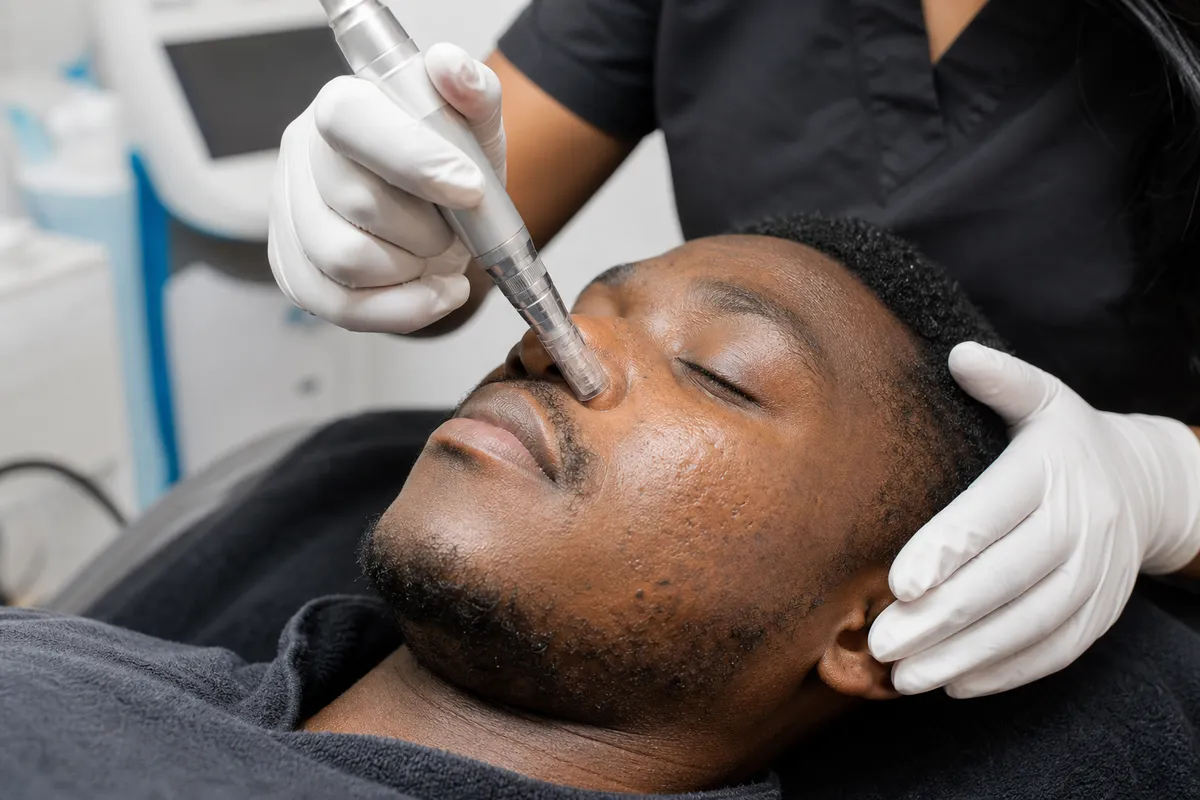
- Microneedling: This technique uses fine needles to create controlled micro-injuries, stimulating collagen production and promoting smoother, more even skin. Microneedling is especially beneficial for acne scars, mild surgical scars, and texture irregularities left by injuries or burns.
- Non-surgical resurfacing: Depending on scar type and skin tone, we may recommend specific resurfacing treatments such as chemical peels. These help diminish discolouration, smooth rough edges, and encourage healthy skin turnover.
- Advanced injectables: For depressed, pitted, or sunken scars, injectable fillers or fat transfer can lift the area, making it blend more naturally with the surrounding skin. We frequently see patients from Nairobi and across Kenya with post-acne or chickenpox scars who benefit from carefully planned filler treatments.
- Non-surgical vaginal rejuvenation: For those with scarring in intimate areas after childbirth, injury, or prior procedures, non-surgical vaginal rejuvenation aims to improve both appearance and comfort.
Hair transplant for scar camouflage
In areas with hair loss due to injury or previous surgery (such as scalp, beard, or eyebrow scars), a targeted hair transplant can conceal scarring and restore a more natural look. We perform hair transplant procedures for both men and women in Kenya who wish to address scars left after accidents, burns, or the surgical removal of skin lesions.
Combined approaches
Many patients benefit from a combination of treatments. For example, someone with an old, raised surgical scar on the abdomen might achieve the best result with both surgical scar revision and follow-up microneedling. Our experience confirms that customised planning yields the most satisfying and natural outcomes.
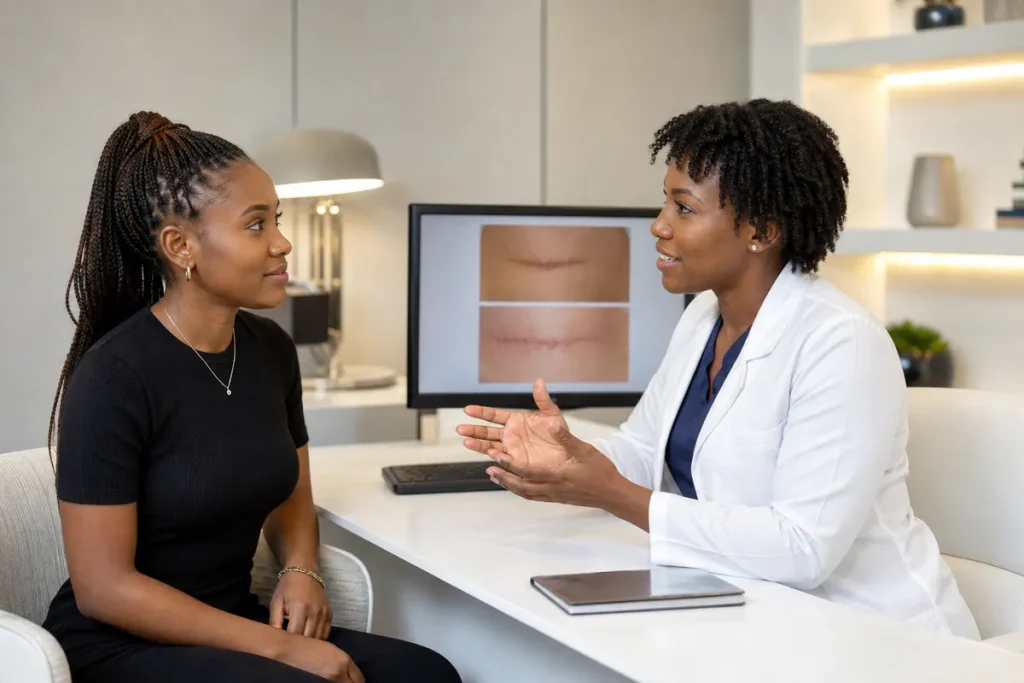
We always begin each process with a comprehensive consultation. This allows us to assess the scar’s size, cause, location, and depth, along with your personal concerns, skin type, and medical history.
Factors that affect scar treatment choices and outcomes
No two scars, and no two people, are alike, which is why scar removal treatment in Kenya must be planned individually. Several factors influence which treatment will work best and what results you can expect.
Type and age of the scar
- Fresh scars (less than 12–18 months old) sometimes respond well to non-surgical methods, since the scar is still remodelling. Mature scars (older than 18 months), whether flat, raised, pigmented, or indented, may need surgical revision or more intensive minimally invasive treatments.
- Acne scars are often pitted or uneven, typically requiring targeted microneedling or injectable treatments.
- Keloid and hypertrophic scars are more common in people of African descent. These scars are harder, thicker, and often larger than the original wound. We commonly treat keloids behind the ears, on the chest, or shoulders, carefully planning options to reduce recurrence.
Skin tone and type
Skin with greater pigmentation has a higher risk of post-inflammatory changes, such as darkening (hyperpigmentation) or lightening (hypopigmentation) after aggressive treatment. In Kenya, where deeper skin tones are the norm, we adjust our scar removal treatments in Kenya to protect your natural colouring and minimise pigment changes. We also consider personal and family history of keloid scarring, as this affects treatment strategy.
Size, shape, and location
A scar’s position can affect results and available options. Scars across joints, for example, may require additional support to prevent stretching.
Facial scars, such as those on the cheek or forehead, must balance cosmetic improvement with safety and function. We use fine suture techniques for highly visible areas, and recommend staged approaches for larger or more complex scars.
Personal goals and expectations
It is important to understand that no treatment can make a scar ‘disappear’ completely. Our aim is always to reduce prominence, discomfort, and functional impact as much as possible, while maintaining safety and a natural look.
Realistic expectations are set at the very start of your journey. During our consultations, we discuss likely outcomes, healing time, risks, and what to expect in terms of cost.
Medical history and general health
Certain medical conditions, such as diabetes or circulatory problems, can affect healing and risk level. Some medications or lifestyle factors, including smoking, may also impact the safety and appearance of scar removal treatments. We always ask for a complete medical history and, if needed, collaborate with your other healthcare providers.
Affordability and access
Affordability is an important consideration for many Kenyans. We are transparent in discussing the costs of different options.
Fees vary depending on complexity and the number of sessions needed. In most cases, scar removal treatments in Kenya start from KES 12,000 for minor minimally invasive procedures, but more advanced surgery or combination treatments can range upward to KES 120,000 or more.
We support both local and out-of-town patients, whether you live in Nairobi or travel from across Kenya to see us. We guide you in planning for appointments, recovery, and follow-up.
Understanding the scar revision surgery process
Choosing surgical or minimally invasive scar removal is a significant health decision. Our process places your safety, privacy, and understanding at the centre of every step.
Step 1: Comprehensive consultation and assessment
Every journey begins with an in-person consultation in Nairobi or a secure telehealth appointment if you reside elsewhere in Kenya.
During this, we:
- Take a thorough medical and surgical history
- Closely examine the scar, reviewing previous photos or healthcare records if available
- Discuss your goals, concerns, and lifestyle requirements
- Explain all suitable scar removal treatments in Kenya, their risks, benefits, and expected recovery
We believe in honest, clear communication. If non-surgical management is suitable, we explain this. If surgery is required, we detail the reasons and the techniques that will be used.
Step 2: Careful planning and documentation
Once we agree on the best treatment, we document the plan together. This may involve ‘before’ photos, blood tests if surgery is considered, and a step-by-step breakdown of what will happen on the day.
For patients visiting from outside Nairobi or other counties, such as Mombasa, Kisumu, or Eldoret, we assist with logistics, timings, and accommodation advice if an overnight stay is needed.
Step 3: Treatment day
On your treatment day, confidentiality and comfort are prioritised. For minor minimally invasive scar removal treatments in Kenya, topical anaesthetic or local anaesthesia is usually all that is needed. Surgical cases are performed in our advanced Nairobi facilities, either under local or general anaesthesia, depending on complexity.
Our surgeons use delicate, internationally recognised techniques suited to your skin type and needs. For example, layered closure, tension-reduction methods, and hidden or dissolving sutures.
Step 4: Recovery and follow-up
We provide detailed aftercare instructions and guidance on wound care, scar massage, and any recommended products. Follow-up appointments are arranged to review healing and address any questions.
We also advise on sun protection, which is vital for Kenyan patients due to the intense sunlight that can darken new scars. We review healing at key stages and support you until the desired result is reached.
For more information on best practices in scar care, patients can also consult trusted external sources such as the NHS guide to scar management.
Scar removal treatments in Kenya aim to create long-lasting improvements, but no procedure can make a scar vanish permanently. Instead, our goal is to make scars less visible, more comfortable, and better matched to the surrounding skin.
Ideally, early intervention starts within weeks or a few months of an injury, but even old scars can benefit from treatment. We assess timing and advise on the safest approach for each case.