
Procedure
Dermabrasion in Kenya
A skin resurfacing procedure for selected texture, scar, or surface concerns, planned after skin assessment.
Suitability, safety, expected results, and recovery are reviewed during consultation before any treatment plan is confirmed.

Overview
Dermabrasion is a skin resurfacing procedure that removes selected outer layers of the skin using a controlled technique. It may help improve certain scars, surface texture concerns, pigmentation irregularities, or age-related skin changes in suitable patients. It is not suitable for every skin type or skin condition, so assessment is important before treatment.
What this procedure may help with
- Selected acne scars
- Surface texture irregularities
- Certain traumatic or surgical scars
- Fine surface changes in suitable patients
- Skin resurfacing goals where dermabrasion is appropriate
Who may be suitable
Dermabrasion may be suitable for patients who:
Suitability is confirmed through consultation. Your surgeon will assess your anatomy, health history, goals, previous procedures where relevant, and recovery readiness before recommending any treatment plan.
- Have a skin concern that can reasonably improve with resurfacing
- Are in good general health
- Have skin type and healing profile suitable for dermabrasion
- Can follow sun avoidance and aftercare instructions
- Have realistic expectations about gradual skin improvement
- Are willing to discuss alternatives if dermabrasion is not suitable
Who may need to wait or consider another option
This procedure may need to be delayed or reconsidered if:
This section is not a substitute for medical advice. It helps patients understand what the consultation will clarify.
- You have active acne, infection, or irritated skin
- You have a history of poor wound healing or problematic scarring
- Your skin type carries higher pigmentation risk
- You cannot avoid sun exposure during recovery
- You are using medications or treatments that affect healing
- Another skin treatment may be safer or more appropriate
Consultation and planning
A dermabrasion consultation should assess your skin type, scar type, pigmentation risk, medical history, medications, sun exposure, and goals. Your clinician should explain whether dermabrasion, chemical peel, laser, microneedling, surgery, or another treatment is more suitable.
During consultation, the team should explain:
- What the procedure can and cannot achieve
- The likely incision or treatment approach
- Recovery expectations
- Risks and limitations
- Whether another procedure may be more suitable
- How to prepare safely before treatment
How the procedure works
Dermabrasion is performed using a controlled resurfacing technique to remove selected outer skin layers. The depth, treatment area, and anaesthesia or numbing approach depend on the concern being treated and patient suitability. The treated skin is then protected as healing begins.
Recovery and aftercare
Recovery depends on treatment depth and area. Redness, swelling, sensitivity, crusting, or peeling may occur. Sun protection, wound care, and avoiding irritants are important. Healing and skin color settling can take time, especially in patients prone to pigmentation changes.
Risks and limitations
Possible risks include infection, scarring, delayed healing, pigmentation changes, redness, sensitivity, uneven texture, flare-up of skin conditions, and dissatisfaction with the degree of improvement.
All surgery and medical aesthetic treatment carries risk. The aim of this section is to set realistic expectations, support informed consent, and make it clear that the safest plan is always individualized.
Results and expectations
Dermabrasion may improve selected scars or texture concerns, but results vary by skin type, scar depth, healing, aftercare, and sun protection. Multiple or alternative treatments may be needed for some concerns.
Questions about Dermabrasion
It may help selected acne scars, but suitability depends on scar type, skin type, and pigmentation risk.
Consultation
Find out if dermabrasion is suitable for you
A consultation helps confirm whether this is suitable for you.
Related treatment options
Explore related options

Minimally Invasive treatment
Injectable Fillers
Dermal fillers may restore selected facial volume, soften lines, or refine contours when suitable and performed with careful facial assessment.
View details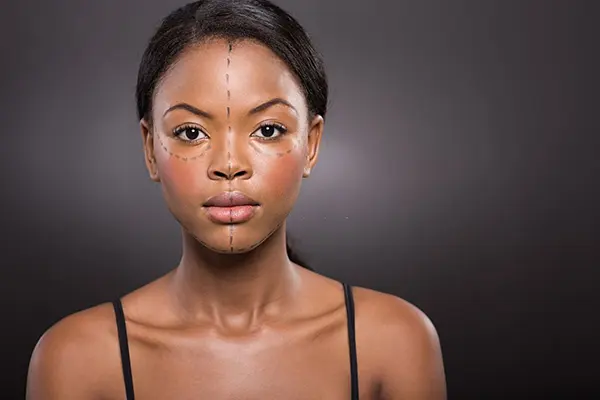
Face & Neck treatment
Fat Transfer to the Face
Fat transfer to the face uses a patient’s own fat to restore selected facial volume loss or contour when suitable.
View details
Face & Neck treatment
Facelift
A facelift can improve selected signs of facial ageing by lifting deeper facial tissues and removing excess skin where suitable.
View details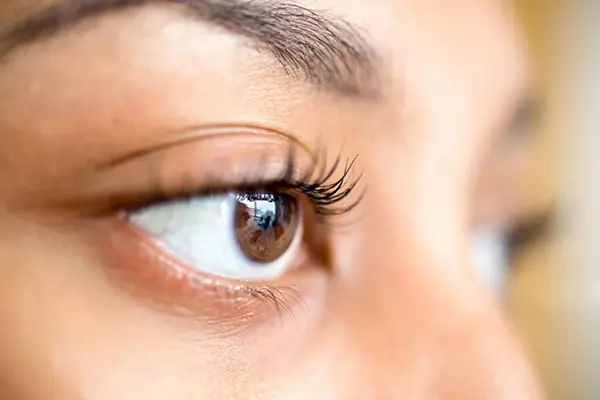
Face & Neck treatment
Eyelid Lift
An eyelid lift, or blepharoplasty, may address excess eyelid skin, puffiness, and selected under-eye concerns when suitable.
View details